

7 Best Supplements for Glowing Skin
Good skin rarely comes from one miracle product. It is usually the result of consistent habits - sleep, hydration, training, stress management, smart nutrition - and the best supplements for glowing skin work in that same real-world way. They support the foundations, rather than pretending to replace them.
That matters if you are already doing the basics and want something practical that fits your routine. Maybe your skin looks dull during busy work weeks, maybe hard training leaves you feeling run down, or maybe you want support for hydration, elasticity and clarity without turning your morning into a 12-step ritual. The right supplement stack can help, but only if you choose ingredients with a clear role.
What glowing skin actually needs
Glowing skin is not just about surface shine. In most cases, people mean skin that looks hydrated, even, fresh and healthy rather than tired or irritated. That comes down to a mix of factors - collagen structure, moisture balance, inflammation levels, nutrient status and how well your skin barrier is doing its job.
This is where supplements can earn their place. They do not act like instant filters, and they are not a substitute for SPF, a balanced diet or a decent skincare routine. What they can do is support the systems underneath the surface. If your diet is inconsistent, your stress is high or your recovery is off, your skin often shows it early.
Best supplements for glowing skin that are worth considering
Collagen
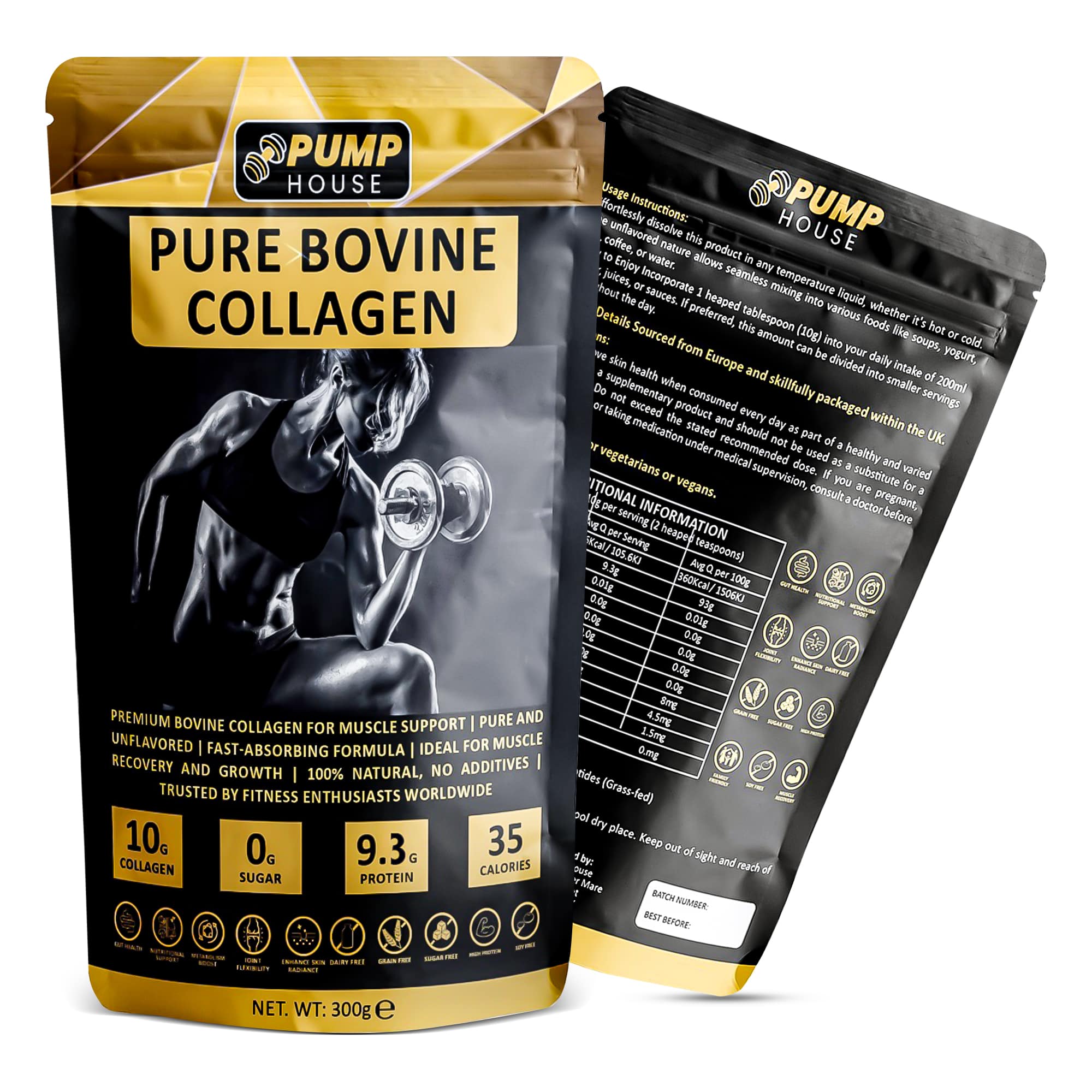
If there is one supplement most closely linked with skin support, it is collagen. Collagen is a structural protein found in skin, and natural production declines with age. That does not mean everyone suddenly needs a collagen powder at 25, but it does explain why collagen has become a staple for people focused on skin elasticity and smoothness.
Hydrolysed collagen peptides are the most common form because they are easy to mix into coffee, smoothies or shakes. The appeal is obvious - simple, low effort, and easy to make part of a daily routine. For skin goals, consistency matters more than taking a huge amount once in a while.
There is a trade-off, though. Collagen is not a magic fix for poor sleep, dehydration or a diet lacking in protein overall. It works best as part of a wider routine that already supports recovery and nutrition.
Vitamin C
Vitamin C is one of the most useful all-round nutrients for skin because it plays a role in normal collagen formation and helps protect cells from oxidative stress. In plain English, it supports the structure of healthy skin while also helping the body handle the everyday wear and tear that can leave skin looking tired.
It is also one of the easier supplements to understand. If your fruit and veg intake is patchy, topping up vitamin C can make sense. If you already eat plenty of berries, citrus, peppers and greens, the benefit may be less dramatic - but it still has a strong case as part of a skin-focused stack.
Vitamin C often pairs well with collagen, which is why the two are frequently taken together. It is a practical combination rather than a hype-driven one.
Omega-3 fatty acids
When skin looks flat, dry or easily irritated, omega-3s deserve attention. These essential fats support the skin barrier and healthy inflammation balance, which can make a visible difference to how skin feels and behaves. For many people, that means skin that feels less dry and looks calmer over time.
Omega-3s are especially worth considering if oily fish is not a regular part of your week. Busy schedules do not always leave room for perfect meal planning, and this is one area where a supplement can fill a genuine gap.
Results here can be subtle at first. Omega-3 is less about a quick glow-up and more about better underlying skin resilience. If your goal is long-term skin quality, that matters.
Zinc
Zinc is often associated with immune support, but it also plays a role in skin health and repair. It is one of those minerals that tends to matter more when intake is low, which means some people notice a bigger difference than others.
For skin, zinc is often discussed in relation to blemish-prone or stressed-looking complexions. It supports normal skin maintenance, and if your diet is inconsistent or restrictive, it can be a worthwhile addition.
More is not better here. Zinc is useful, but going overboard can create other nutrient imbalances. A sensible daily dose beats mega-dosing every time.
Hyaluronic acid
Hyaluronic acid is famous in topical skincare, but oral supplementation is getting more attention too. Its main appeal is hydration. Because it helps retain water, it is often used by people who want skin to look plumper and less dehydrated.
This can be particularly relevant during colder months, after lots of indoor heating, or if your skin always seems to look better right after a holiday and worse during routine life. Hydration support is not glamorous, but it is often the missing piece behind that healthy, fresh look.
It depends on the person, though. If your main issue is irritation or breakouts, hyaluronic acid may not be the standout option. If your skin tends to feel dry or look dull, it may be more relevant.
Biotin
Biotin is usually marketed for hair and nails, but it is often included in skin formulas too. It helps maintain normal skin, although it is one of the more overhyped ingredients in beauty supplements.
That does not mean it is useless. It means the benefit is often strongest when someone is actually low in it, rather than when they are already getting enough. For most people, biotin works better as part of a broader formula than as the hero ingredient on its own.
If you are choosing between a thoughtful blend and a product selling only biotin as the answer to everything, the blend is usually the smarter move.
Antioxidant blends
Glowing skin and recovery go hand in hand, especially if you train regularly, work long hours or spend a lot of time under stress. Antioxidant blends often include nutrients such as vitamin E, selenium and plant compounds that help protect cells from oxidative stress.
This is less about vanity and more about keeping your system supported when life is demanding. Skin reflects pressure quickly. If your training block is intense, your sleep is average and your meals have been a bit hit and miss, antioxidant support can make more sense than chasing another trendy beauty ingredient.
The quality of the formula matters. Clean, well-chosen ingredients with a clear purpose will always beat a bloated label packed with fashionable extras.
How to choose the best supplements for glowing skin
Start with your actual goal, not the trend. If your skin feels dry, think hydration and barrier support, such as omega-3s or hyaluronic acid. If you want support for firmness and elasticity, collagen plus vitamin C is usually the most logical place to begin. If your skin looks stressed and your routine is all over the place, a broader formula with antioxidant support may be a better fit.
It also helps to look at your lifestyle honestly. Someone who eats a nutrient-dense diet, manages stress well and gets solid sleep may need less support than someone juggling early gym sessions, commuting, long office days and late nights. Supplements should match the gap, not just the marketing.
Convenience matters too. Powders that mix into coffee or smoothies tend to be easier to stick with than products that feel like a chore. And with skin supplements, consistency is where results are built.
What supplements cannot do
This is the part worth being straight about. Supplements can support glowing skin, but they cannot outwork dehydration, poor sleep, heavy alcohol intake, a low-protein diet or skipping SPF. If your skin is persistently reactive, painful or suddenly changing, it is worth speaking to a healthcare professional rather than assuming a supplement will sort it.
There is also the timing piece. Skin turns over gradually, so expecting visible changes in a few days is usually unrealistic. Most worthwhile skin supplements need steady daily use over weeks, not one hopeful scoop before a night out.
That is why the best approach is simple and sustainable. A clean collagen powder in your morning drink, an omega-3 you actually remember to take, or a balanced daily formula that supports recovery as well as appearance can go much further than a complicated shelf full of half-used tubs. That is the kind of routine that builds momentum - and your skin tends to show it.