

Best Supplements for Runners Recovery That Work
The best supplements for runners recovery are not a substitute for sleep, proper meals or a sensible training plan. They can, however, make the gap between a hard session and your next run feel far more manageable. Whether you are building towards a first 10K, chasing a marathon PB or simply fitting miles around a busy working week, recovery is where consistency is earned.
The goal is not to throw every powder and capsule into your cupboard. It is to choose support that matches your training load, diet and the part of recovery you most need to improve: muscle repair, hydration, joints and connective tissue, energy intake or everyday resilience.
Start with the recovery basics
Supplements work best when the foundations are already doing their job. After running, especially after intervals, hills, long runs or strength sessions, your body needs enough total food, carbohydrate to replenish energy stores, protein to support muscle repair, fluids and sleep.
If you regularly finish sessions under-fuelled, no supplement will fully compensate. A protein shake cannot replace a proper evening meal, and electrolytes cannot fix a day spent barely drinking water. Think of supplements as practical support for real life: the early commute, the post-run dash to work, the appetite dip after a tough session, or the long run that leaves you depleted.
Your needs also change across the week. A relaxed 5K may call for nothing more than breakfast and water. A hot half-marathon, a long trail session or a heavy marathon block can demand a more deliberate recovery plan.
The best supplements for runners recovery
Protein powder for muscle repair
Protein is the most useful place for many runners to start, particularly if getting enough from food is difficult. Running creates muscular stress, and adequate dietary protein supports the maintenance and growth of muscle mass. It is especially valuable when you are pairing running with gym training, increasing mileage or returning to training after time away.
A convenient protein shake after a run can help you reach your daily intake without overthinking it. Whey protein is a popular choice because it is complete and quick to prepare. Plant-based blends can work well too, provided they offer a strong amino acid profile and suit your digestion.
Timing matters less than your total intake across the day, but convenience matters. If your next meal is hours away, having protein shortly after a hard run is a smart habit. Pair it with carbohydrate - such as fruit, oats, cereal or toast - after longer or more demanding sessions.
Collagen for connective-tissue support
Runners do not only ask their muscles to work. Tendons, ligaments and joints absorb thousands of repeated impacts over a run. Collagen is therefore a useful consideration for runners who want to support their wider training routine, particularly during higher-mileage phases or when strength work is also in the mix.
Collagen provides amino acids that are found in connective tissues. It is not a magic answer to pain or injury, and it should never replace an assessment from a qualified clinician when something hurts or changes your stride. But taken consistently as part of a balanced diet and progressive training plan, it can be a practical addition to a joint-conscious routine.
Many runners find collagen powder easiest to use in coffee, porridge or a smoothie. Taking it alongside a source of vitamin C is a sensible option, as vitamin C contributes to normal collagen formation for the normal function of cartilage, bones and skin.
Electrolytes for sweat-heavy sessions
Electrolytes are minerals, including sodium and potassium, lost in sweat. They are not essential after every short, easy run in cool weather. For long runs, hot conditions, double sessions, races or runners who finish with salt marks on their kit, they can be genuinely useful.
The key benefit is helping you replace what you lose through sweat while encouraging you to drink. Sodium is often the main electrolyte to look for, particularly when a session lasts longer than around an hour or you know you are a salty sweater. Choose a product you will actually drink and use it alongside enough fluid, rather than treating it as a standalone fix.
Be aware that more is not always better. If you have high blood pressure, kidney disease or have been advised to limit sodium, speak to a healthcare professional before making high-electrolyte products a regular habit.
Carbohydrate powders and recovery drinks
Carbohydrate is frequently overlooked by runners focused on protein. Yet after long or intense training, restoring glycogen - the stored carbohydrate used to fuel exercise - is central to feeling ready for the next session.
Whole foods such as rice, potatoes, oats, bread and fruit are excellent options. A carbohydrate drink or recovery blend can be useful when appetite is low, time is tight or you need to train again within 24 hours. It is a convenience tool, not a requirement. If you train once a day and eat enough at meals, food may cover the job perfectly well.
For a long run or hard workout, a simple protein-and-carbohydrate shake can be more effective than protein alone. It supports both sides of recovery without turning your routine into a complicated ritual.
Creatine for runners who also strength train
Creatine is best known in the weights room, but it can make sense for runners who lift, sprint, run hills or want to preserve strength during a demanding endurance block. It supports rapid energy production during short, high-intensity efforts and can support gains from resistance training.
It is not a direct endurance recovery supplement, and it may cause a small increase in body mass through water held in muscle. For an athlete chasing a light race weight, that trade-off may not appeal. For a runner who wants stronger legs, better gym sessions and more power, it may be worthwhile.
Consistency is more useful than complicated timing. A daily serving of creatine monohydrate is the well-established choice. If you have a medical condition or take medication, check with a healthcare professional first.
Omega-3s when oily fish is not on the menu
Omega-3 fatty acids are part of a balanced diet and may be worth considering if you rarely eat oily fish. They are not an instant post-run recovery product, but they can fit into a broader wellbeing routine for runners who want to support their overall nutrition.
Food first remains a strong approach: salmon, mackerel, sardines and trout all count. If you choose a supplement, look for a clearly labelled product and treat it as a long-term nutrition choice rather than something to take only after a race.
What about BCAAs, glutamine and magnesium?
BCAAs are often marketed as essential for recovery, but if you already consume enough high-quality protein, they are unlikely to add much. A complete protein powder or protein-rich meal gives you the full range of essential amino acids, not just three of them.
Glutamine may have a place in certain clinical settings, but most recreational runners with a balanced diet do not need it as a default recovery supplement. Magnesium is different: it contributes to normal muscle function and can be useful if your dietary intake is low. It is not, though, a guaranteed cure for cramps, poor sleep or sore legs. Too much can also upset your stomach, which is the last thing you want before a long run.
Build a routine you will actually keep
The strongest recovery stack is usually simple. Start with a protein powder if your meals fall short, add electrolytes for long or sweaty runs, and consider collagen if connective-tissue support is a priority. Add carbohydrate around demanding training when you need to replenish energy quickly.
For example, after a weekday interval session, a protein smoothie with banana and oats may be enough. After a two-hour Sunday long run, you might use electrolytes during or after the run, then have a carbohydrate-and-protein recovery drink before a full meal. During a strength-focused winter block, daily creatine could be a sensible extra.
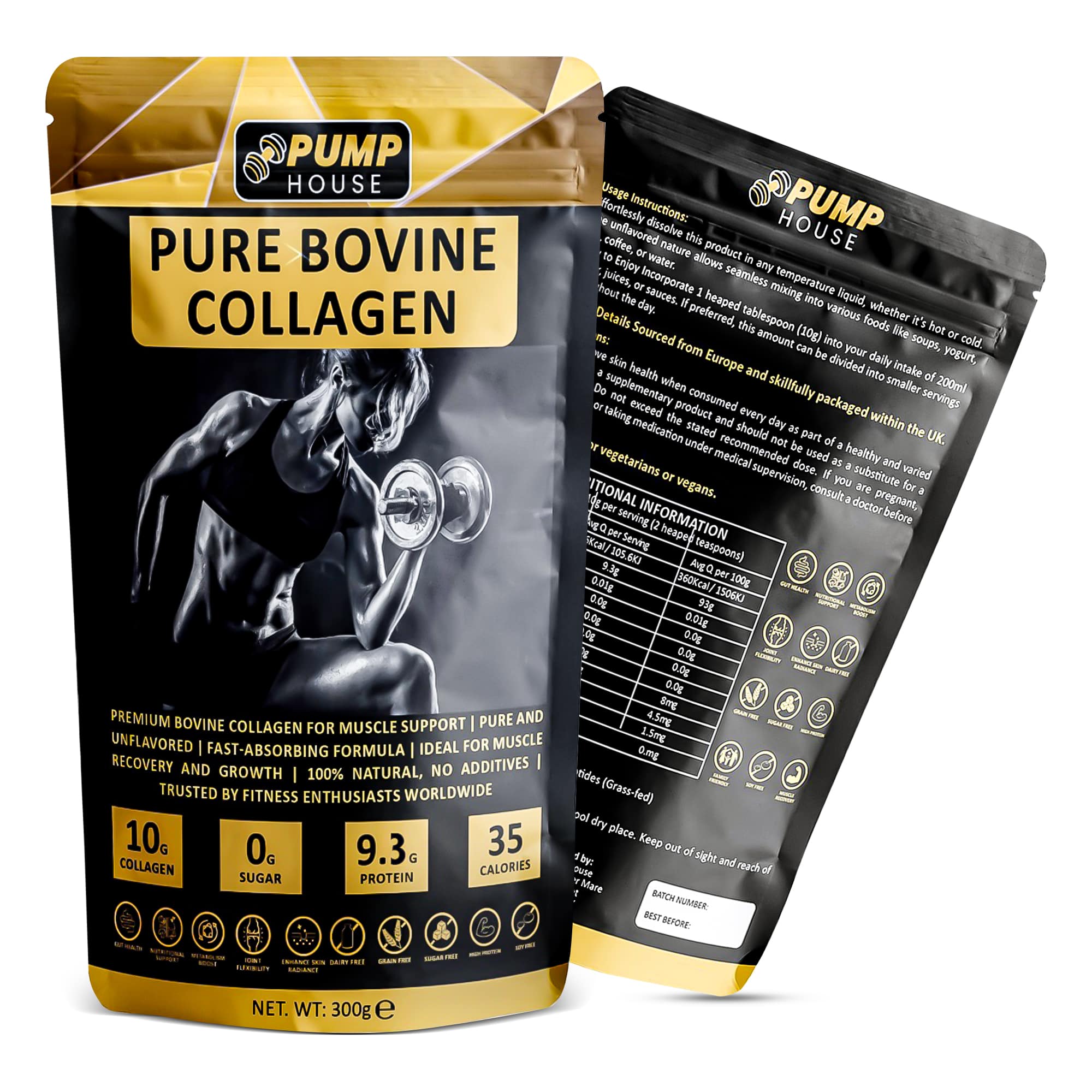
Pumphouse products are designed to fit these real-world routines, whether that means blending collagen into your morning coffee or making post-training protein quick enough to happen every time. Keep your choices clean, purposeful and easy to repeat.
The real win is not finding a miracle tub. It is finishing enough runs feeling capable of doing the next one well. Fuel with intent, recover with patience, and let your routine build the momentum your goals deserve.