

How to Mix Protein Coffee That Tastes Good
That first coffee of the day can do more than wake you up. If you know how to mix protein coffee properly, it can also help you stay fuller for longer, support your training goals and make a busy morning feel far more sorted.
The catch is that protein coffee can go wrong fast. Add powder at the wrong time and you end up with lumps, foam that tastes chalky, or milk that splits just as you were hoping for a smooth, café-style cup. The good news is that it is easy to get right once you know what actually causes those problems.
How to mix protein coffee without ruining it
The simplest rule is this: do not tip protein powder straight into boiling hot coffee and hope for the best. Protein reacts badly to sudden high heat, especially if you are using whey. It does not become unsafe, but the texture can turn grainy or clumpy very quickly.
A better approach is to mix the protein with a small amount of cool or lukewarm liquid first. That could be milk, water or a ready-made shake. Stir or shake it until smooth, then add it to your coffee gradually. This gives you a much more even texture and stops dry powder sticking together on contact.
If you like your coffee piping hot, let it sit for a minute before adding the protein mix. You still get a warm drink, but you reduce the chance of curdling or a strange, sandy mouthfeel. It is a small change that makes a big difference.
The best way to make protein coffee at home
For most people, the easiest method is also the most reliable. Make your coffee as normal, mix your protein separately, then combine the two.
If you are using espresso, an Americano or instant coffee, this works well because you can control the strength. A stronger coffee base is useful when you are adding milk or a protein shake, as the flavour stays balanced instead of tasting watered down.
Here is the practical method that gets the best results for most cups:
1. Brew the coffee first
Make your usual coffee, but keep in mind that protein and milk will soften the flavour. If you normally take a medium-strength cup, go a touch stronger.
2. Mix the protein in a separate cup or shaker
Add one scoop of protein powder to a little cold milk or water and stir until smooth. A small handheld frother works brilliantly here, but a spoon or shaker bottle also does the job.
3. Let the coffee cool slightly
You do not need a cold coffee. Just avoid adding protein when the drink is freshly boiling.
4. Pour the protein mixture in slowly
Stir as you pour. This helps the temperature adjust gradually and keeps the texture smooth.
5. Taste and tweak
If it tastes too thick, add a splash more milk. If it tastes too sweet, use a stronger coffee next time. Protein coffee is one of those drinks where small adjustments matter.
Which protein works best in coffee?
This is where it depends on what you want from the drink.
Whey protein is popular because it mixes well and usually gives the smoothest, creamiest result. It is a strong choice if your goal is muscle recovery, hitting your daily protein target or making breakfast more filling. That said, whey can be more sensitive to heat, so technique matters.
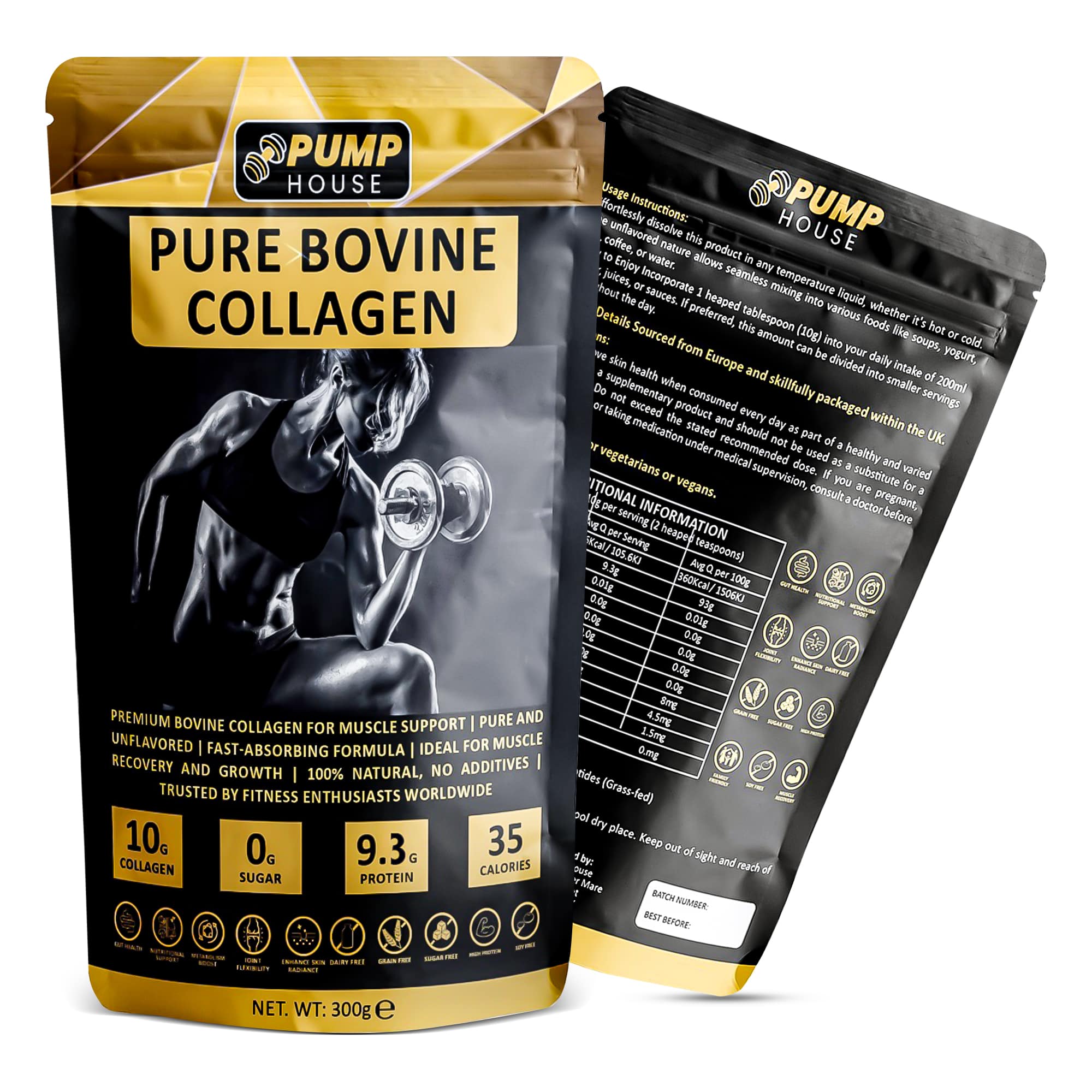
Collagen is often the easiest option for hot drinks. It dissolves more cleanly and has a lighter texture, so it is ideal if you want to add protein to coffee without making it feel like a shake. It is not a complete protein in the same way whey is, but it suits people who want a simpler, smoother addition to their routine.
Plant protein can work too, though the texture varies more between blends. Some are silky, others are a bit earthy or thicker in coffee. If you use a plant-based powder, mixing it thoroughly first is even more important.
The flavour matters just as much as the formula. Vanilla tends to be the safest choice for coffee. Chocolate works well if you want a mocha feel. Unflavoured can be useful if you prefer a more traditional coffee taste, but only if the powder itself is genuinely neutral.
Common mistakes when learning how to mix protein coffee
Most disappointing cups come down to a few easy-to-fix issues.
The first is heat. Boiling coffee and dry powder are not a good match. The second is using too much powder for the amount of liquid. A full scoop in a small flat white can make the drink thick and overly sweet. If you prefer a normal coffee texture, start with half a scoop and build from there.
The third is expecting every protein to behave the same. Some powders are designed for shakes, not hot drinks. If your coffee keeps turning gritty, the issue may be the product rather than your method.
Sweetness can also throw things off. Many protein powders are already flavoured, so if you are adding syrup or sugar on top, the result can become sickly fast. Keep it simple at first, then adjust once you know how your powder tastes in coffee.
Hot protein coffee vs iced protein coffee
Hot protein coffee is cosy, convenient and perfect if you want your usual morning ritual with more substance. It feels more like a proper coffee and less like a fitness drink, which is why so many people stick with it.
Iced protein coffee is often easier to get right. Lower temperatures make clumping less likely, and a shaker bottle can blend everything quickly. If you are always rushing out the door after the gym or heading into the office, this version can be the more practical choice.
For iced protein coffee, mix the protein with cold milk first, add cooled coffee or espresso, then pour over ice. It is smooth, refreshing and especially good in warmer weather or after training.
There is no single best version. If texture is your main concern, iced is usually easier. If routine matters more, hot wins.
How to make protein coffee taste better
The best protein coffee does not taste like a compromise. It tastes like a drink you would actually choose.
Start by matching flavours properly. Vanilla protein with a cinnamon sprinkle works well. Chocolate protein with a strong coffee base gives a mocha-style drink. Caramel notes can work too, but only if the coffee is bold enough to balance the sweetness.
Milk choice changes the result more than people expect. Semi-skimmed gives a lighter cup, whole milk makes it richer, and unsweetened almond or oat drinks can shift both flavour and texture. Oat can be especially smooth, but some versions are naturally sweeter, so watch the balance.
A pinch of cinnamon, a dusting of cocoa or a few ice cubes in summer can make the whole thing feel more intentional. You do not need a complicated recipe. You just need the drink to feel like part of your routine rather than another health task to tick off.
When protein coffee makes sense
Protein coffee is not magic, and it is not a replacement for a balanced diet. But it is useful when convenience matters.
If you train early and struggle to eat straight away, it can bridge the gap between coffee and breakfast. If mornings are chaotic, it can help you get some protein in without slowing down. If you are trying to stay fuller between meals, it may help more than a plain latte and a biscuit grabbed on the go.
It is less useful if you already eat a high-protein breakfast and just want coffee to stay as coffee. That is fine too. The best routine is the one you will actually keep.
For many people, the sweet spot is using protein coffee as an occasional tool rather than forcing it every day. A weekday morning, a post-workout option or a lighter breakfast moment can be where it fits best.
A simple protein coffee formula to keep
If you want one dependable method, keep this in your back pocket: make a strong coffee, mix one scoop of protein with 150ml of cool milk, let the coffee cool for a minute, then combine slowly and stir well. It is quick, easy to repeat and far more reliable than throwing everything into one mug.
That kind of practical habit is what makes wellness stick. You do not need perfection, just a method that tastes good enough to become second nature. If your morning coffee can help support recovery, energy and a more purposeful routine, that is a strong start by any standard.