

How to Support Workout Recovery Properly
You can train hard and still stall. That usually happens when the session gets all the credit and recovery gets whatever is left over. If you are wondering how to support workout recovery in a way that actually improves performance, the answer is not one magic shake or one early night. It is a set of repeatable habits that help your body repair, adapt and come back ready to go again.
Recovery is where progress gets built. Every run, lift, class or conditioning session creates stress. That stress is not the problem. It is the signal. The real results come afterwards, when your body gets enough fuel, fluid and rest to respond well. Get that part right and training feels productive. Get it wrong and even a solid programme can start to feel flat.
How to support workout recovery without overcomplicating it
The best recovery plan is the one you can stick to on a normal Tuesday, not just on your most disciplined week. That means focusing on the basics first.
Start with food. After training, your body is looking for raw materials. Protein helps support muscle repair, while carbohydrates help replenish the energy you have used. The exact amount depends on the session, your size and your goals. A heavy lower-body strength session, for example, asks for a different recovery approach than a light steady jog. But the principle stays the same - eat enough, and do not leave it too long.
A meal within a couple of hours of training is a practical target for most people. If that is not realistic, a quick post-workout option can bridge the gap. This is where convenience matters. High-protein powders, amino support and easy add-ins for smoothies or oats can make consistency much easier, especially if you train before work or squeeze sessions into a busy evening.
Hydration matters just as much. Sweat losses are not always obvious, especially in the UK where cooler weather can trick you into thinking you need less fluid. If you finish training dehydrated, recovery can feel slower, energy can dip and the next session can suffer. Water is the starting point, but if you train hard for long periods or sweat heavily, electrolytes may also help bring things back into balance.
Then there is sleep - the least glamorous part of recovery and often the most powerful. You cannot supplement your way out of chronically poor sleep. Deep sleep supports hormone regulation, tissue repair and nervous system recovery. If your body feels battered, your motivation is low and every warm-up feels harder than it should, poor sleep is often part of the story.
Nutrition that genuinely supports recovery
Protein gets most of the attention for good reason. Training creates muscle protein breakdown, and dietary protein helps shift the balance back towards repair and adaptation. For many active adults, spreading protein across the day works better than trying to cram it all into one meal at night. That could look like protein at breakfast, lunch, post-workout and dinner rather than relying on one large serving.
Carbohydrates deserve more credit than they get, particularly if you train often. They help restore glycogen, which is your stored form of carbohydrate and a key fuel source for moderate to high-intensity training. If you are doing repeated gym sessions, running several times a week or mixing strength work with classes, low carbohydrate intake can make recovery feel slower than it needs to.
Fat also has a place, just not usually as the star of your immediate post-workout meal. Healthy fats support overall health and hormone function, but after training it often makes sense to prioritise protein and carbs first, then let fats fit into the rest of the day.
Micronutrients matter too, even if they are less exciting. Fruit, vegetables, fibre and a generally balanced diet support the wider systems involved in recovery, from immune function to digestion. If your training is on point but your everyday nutrition is patchy, your results may still feel inconsistent.
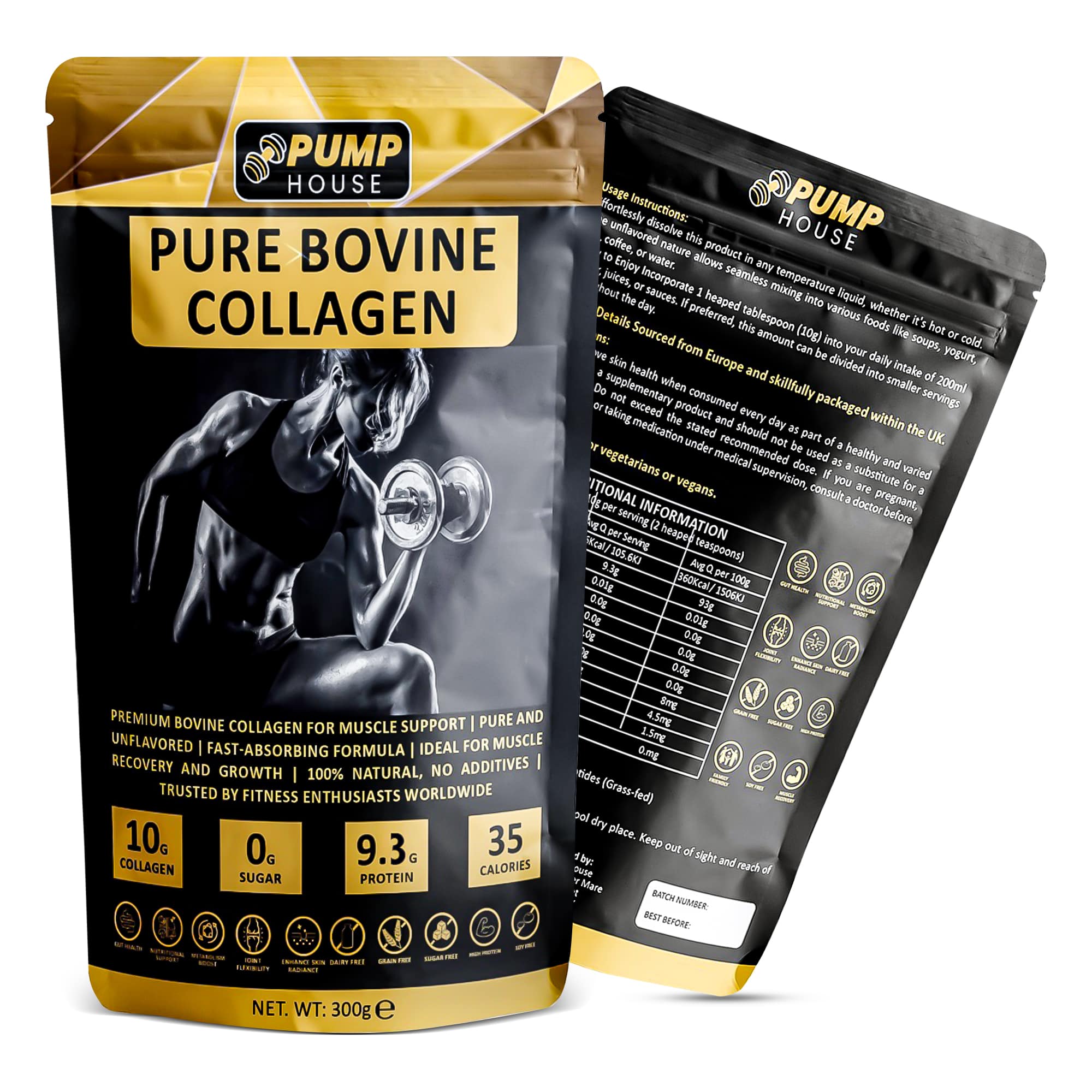
Supplements can be useful here, but they work best as support rather than a shortcut. A high-quality protein powder can help you hit your intake more easily. Amino-based products may suit people who want a lighter option around training. Collagen is often discussed for skin, hair and nails, but some active people also use it as part of a broader joint and connective tissue routine. The key is choosing products that fit your habits and goals instead of collecting tubs that gather dust in the cupboard.
Sleep, stress and the part people underestimate
Recovery is not only about muscles. Your nervous system needs to settle too. If your life is full-on, your body does not always separate work stress from training stress as neatly as you would like. You might still get through the session, but your sleep, appetite and motivation can all take a hit afterwards.
That is why the best recovery routines often include a few boring but effective habits. A regular bedtime. Less scrolling late at night. A proper wind-down instead of collapsing into bed overstimulated. None of that sounds flashy, but it works.
If your stress is running high, your recovery strategy may need to shift. On paper, a hard session might fit your programme. In reality, a walk, lighter strength work or a mobility session could be the smarter move. Pushing through every time is not always a badge of honour. Sometimes it is just poor timing.
For people juggling training with work, parenting or irregular schedules, perfection is rarely the goal. Consistency is. If you can create a routine that supports better sleep most nights and keeps stress from snowballing, you will likely recover better even before changing anything else.
Active recovery can help - but more is not always better
Rest days do not need to mean doing absolutely nothing, but they also should not turn into secret training days. Active recovery can boost circulation, reduce stiffness and help you feel better mentally. A walk, easy cycle, mobility work or gentle swim can all do the job.
The important word is easy. If your recovery session leaves you knackered, it is not really recovery. This is where a lot of motivated people get caught out. They feel guilty resting, so they keep piling on more activity and call it recovery. The result is often a body that never quite catches up.
Stretching can help if it makes you feel looser and more comfortable, but it is not mandatory for everyone. Some people respond better to mobility drills, some prefer light movement, and some simply need more rest. It depends on your training style, injury history and how your body responds.
Massage guns, foam rollers and cold plunges also sit in the it depends category. They may help with soreness or make you feel fresher, but they are extras, not foundations. If your nutrition, hydration and sleep are poor, gadgets will not rescue your recovery.
Signs your recovery needs work
You do not need to wait for burnout to make changes. Often the clues show up earlier. If your performance is dropping, soreness lingers for days, sleep quality is slipping or your usual sessions feel strangely hard, your recovery may need more attention.
Mood changes can be a clue as well. Irritability, low motivation and feeling mentally flat are not just life being busy. They can also reflect under-fuelling, poor sleep or too much training load without enough support.
Hunger can go both ways. Some people feel ravenous when recovery is poor. Others lose their appetite completely. Neither should be ignored if it becomes a pattern.
The fix is not always to train less. Sometimes it is to recover better. Eat more consistently. Add a proper post-workout meal. Go to bed earlier. Hydrate like it matters because it does. Small changes done daily tend to beat dramatic changes done for four days.
Build a recovery routine you will actually keep
If you want a practical way to support recovery, keep it simple enough to repeat. Aim to eat a balanced meal after training, hit your protein target across the day, drink enough fluid, protect your sleep and use supplements where they genuinely make life easier. That approach is far more effective than chasing a perfect recovery protocol you cannot maintain.
It also helps to match your recovery effort to your training load. A gentle session may need little more than normal eating and hydration. A heavy lifting day, long run or intense hybrid workout needs more deliberate support. Treat all sessions the same and you may under-recover when it matters most.
At Pumphouse, that is the mindset behind everyday wellness support - clean, practical nutrition that fits real routines and helps you keep moving forward.
The goal is not to recover so you can do less. It is to recover well enough that your next session feels like a chance to build, not just survive.