

Protein Coffee Before Workout: Is It Worth It?
If your pre-gym routine is already built around a coffee, adding protein can feel like the easiest upgrade you make all week. Protein coffee before workout sessions has become popular for a reason - it brings together two things active people already want: a lift in energy and a more purposeful start to recovery.
That does not mean it is automatically the best choice for everyone. Like most smart nutrition habits, it works best when it fits your training, your digestion, and the time you have before you move. Get it right, and it can be a convenient way to support performance without overcomplicating your morning.
What is protein coffee before workout fuel?
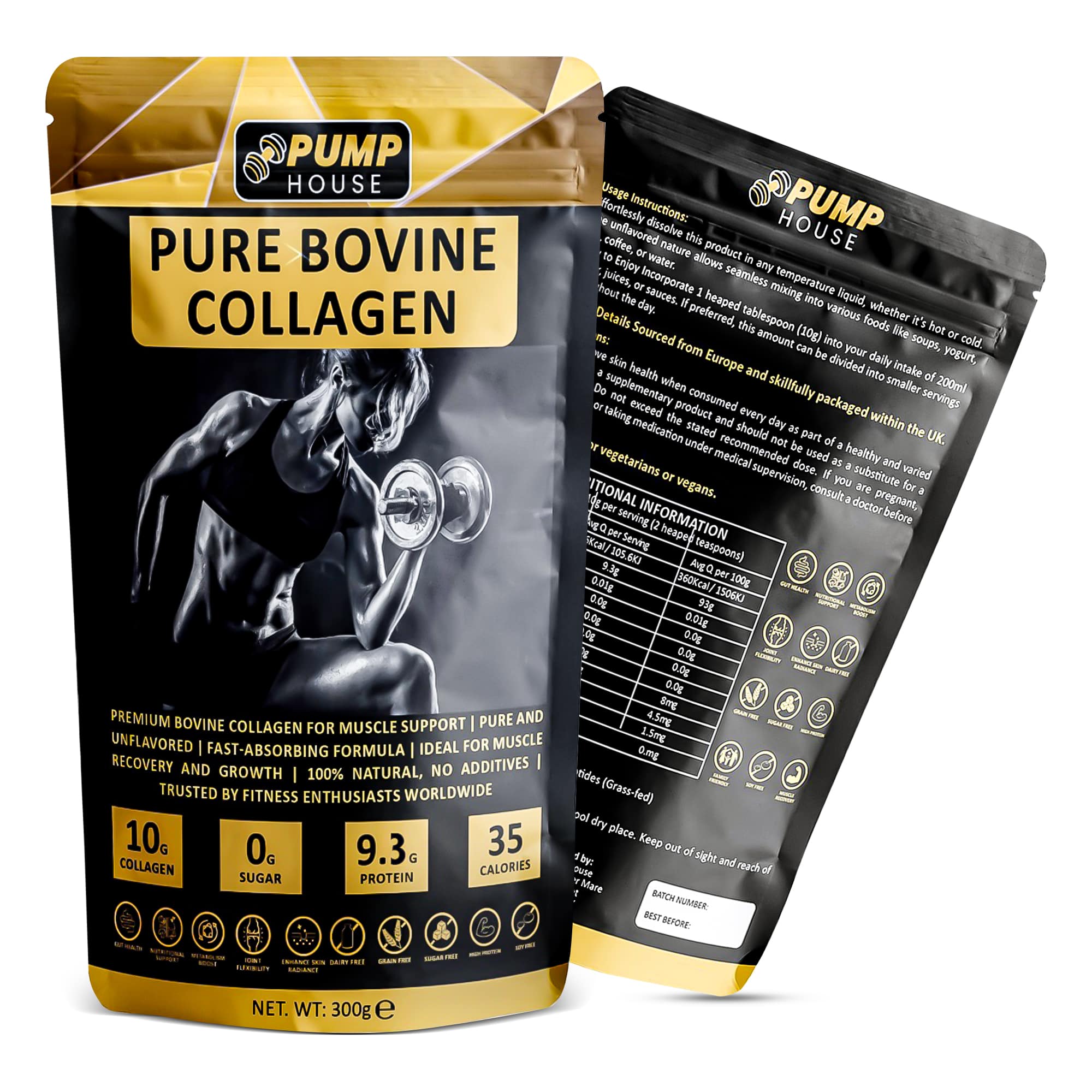
Protein coffee before workout training is exactly what it sounds like - coffee combined with a protein source, usually in the form of a powder or ready-mixed drink. Some people blend hot coffee with whey or collagen. Others use cooled coffee as the base for an iced shake. The goal is usually convenience rather than reinvention.
For busy professionals squeezing in a 7am gym session, runners heading out before breakfast, or anyone who struggles to eat a full meal early, it can slot neatly into a real routine. You get caffeine for alertness and a source of protein that may help support muscle maintenance and recovery across the day.
That combination is appealing, but timing and context matter. A protein coffee is not the same as a balanced pre-workout meal, and it is not always enough on its own for longer or harder sessions.
Why people use protein coffee before a workout
The biggest draw is efficiency. Most people already rely on coffee as part of their morning rhythm, so adding protein can turn a habit into something more functional. It feels less like another task and more like a sharper version of what you already do.
Caffeine may help improve focus, reduce perceived effort, and support training performance, particularly in sessions that need intensity or mental drive. Protein, meanwhile, contributes to muscle maintenance and repair. If your total daily protein intake matters to your goals - and for most active adults, it does - then finding easy ways to spread it through the day is a smart move.
There is also the appetite angle. Some people train better with something light rather than a full breakfast. Protein coffee can sit in that middle ground. It is more substantial than a black coffee, but less heavy than eggs on toast an hour before deadlifts.
For those focused on body composition, it can also help keep morning nutrition structured. Instead of grabbing a pastry at the station after training or under-eating early and overdoing it later, you start with something more goal-led.
The real benefits and the trade-offs
The strongest benefit of protein coffee before workout sessions is convenience. If a nutrition strategy is easy enough to repeat, it is far more likely to become part of your results. There is real value in habits that lower friction.
It may also be useful when you train first thing and do not fancy solid food. A liquid option is often easier to tolerate, especially before a quick strength session, spin class, or short run.
But there are trade-offs. Protein is not a quick fuel source in the same way carbohydrates are. If you are heading into a long run, a tough football session, or a heavy leg day, coffee and protein alone may leave you under-fuelled. In that case, adding some carbohydrate - a banana, oats, or a small piece of toast on the side - often makes more sense.
The other variable is digestion. Not everyone feels great mixing hot coffee with certain protein powders, and some formulas can clump or go grainy. More importantly, some people simply do not tolerate coffee well before exercise, especially on an empty stomach. If caffeine gives you jitters, reflux, or a sudden dash to the loo, no amount of wellness ambition is going to make that a good pre-workout plan.
Is protein coffee good before every type of training?
Not quite. It depends on what you are asking your body to do.
For strength training
This is where protein coffee often fits best. If you are doing a moderate gym session in the morning, especially within 45 to 90 minutes of waking, it can be a practical option. The caffeine can help you feel switched on, and the protein helps you move closer to your daily intake target.
If the session is very demanding or you have not eaten since the night before, a small carb source alongside it may still improve how you feel and perform.
For cardio and endurance work
For a short steady run or brisk conditioning session, protein coffee can be enough if your stomach is sensitive first thing. For longer endurance work, it is usually not ideal on its own. Your body tends to benefit more from accessible carbohydrate before extended sessions, particularly if pace or duration matters.
For fat loss goals
Protein coffee can support a more structured start to the day and help with satiety, which may be useful if fat loss is one of your goals. But it is not a magic shortcut. Results still come back to your full daily intake, training consistency, sleep, and recovery.
For evening training
If you train later in the day, protein coffee may be less useful simply because of the caffeine timing. A strong coffee too late can interfere with sleep, and that is a poor trade for recovery. In that case, a non-caffeinated protein snack may be the smarter call.
How to make protein coffee work for you
The best version is the one you can digest well and use consistently. That usually means keeping it simple.
A balanced approach is to start with your usual coffee and add a protein source that mixes smoothly. If you prefer it hot, let the coffee cool slightly before adding protein to help avoid clumping. If you like iced drinks, blending coffee, milk and protein over ice tends to give a better texture.
Portion size matters. Too little protein and it is barely doing much nutritionally. Too much and it can feel heavy, chalky, or harder to digest before training. For many people, a moderate serving works better than trying to turn coffee into a full meal replacement.
You should also think beyond the cup itself. If your workout is intense, long, or performance-focused, pair your protein coffee with a simple carb source. That one adjustment can be the difference between feeling sharp and feeling flat.
When to drink protein coffee before workout sessions
A useful window is around 30 to 60 minutes before training, though this is not a rule carved in stone. Some people are happy drinking it and heading straight out. Others need more time, especially if they are sensitive to caffeine or training involves lots of jumping, sprinting, or core pressure.
If you are new to it, do not test it before your hardest session of the week. Try it on a lower-stakes training day and pay attention to energy, stomach comfort, and performance. Smart routines are built by noticing what actually works for your body, not by copying someone else's shaker cup on social media.
Who should skip it or rethink it?
Protein coffee is not for everyone, and that is fine. If caffeine makes you anxious, affects your sleep, or leaves you shaky, there are better ways to fuel training. If coffee on an empty stomach aggravates digestion, forcing the issue is not a badge of discipline.
It may also be a poor fit if your pre-workout nutrition needs are higher. Anyone doing long endurance sessions, double training days, or high-volume performance work often needs more than a coffee-based drink can realistically provide.
And if you already hit your protein targets comfortably and prefer a proper breakfast before exercise, you are not missing out on a secret edge. Good performance nutrition is about fit, not hype.
The bottom line on protein coffee before workout routines
Protein coffee before workout sessions can absolutely earn a place in a well-built routine. It is convenient, easy to repeat, and well suited to early training when you want energy without a heavy meal. For many active adults, that alone makes it valuable.
The key is using it for what it is. It is a practical tool, not a miracle formula. If your session is short to moderate and you train well with liquid nutrition, it can be a strong option. If your training demands more fuel, add carbohydrates or choose a fuller pre-workout meal. Clean, effective habits tend to win over flashy ones, and sometimes progress starts with making your morning coffee work harder for you.