

Sports Nutrition Basics Guide for Better Training
The difference between a session that feels strong and one that drags is not always motivation. Often, it is what happened in the hours before you laced up your trainers - and what you do once training is over. This sports nutrition basics guide cuts through the noise so you can fuel with purpose, recover well and make progress without turning every meal into a maths problem.
Your nutrition does not need to be perfect to perform better. It needs to be consistent enough to support your training, your schedule and the goal you are working towards, whether that is building muscle, running further, feeling more energised or managing your weight.
Sports Nutrition Basics Guide: Start With the Foundations
Supplements can be a useful addition, but food is the base. Your body needs enough total energy to train, repair and adapt. When you regularly under-eat, recovery can suffer, training can feel harder than it should and hunger may catch up with you later in the day.
The right amount depends on your body size, activity level, training type and goal. Someone lifting three times a week will have different needs from someone preparing for a half marathon or playing competitive football twice a week. Rather than chasing a single calorie target, start by noticing your energy, performance, appetite, sleep and recovery across a few weeks.
Build most meals around protein, carbohydrate, colourful fruit or vegetables and a source of healthy fats. This gives you the key nutrients without requiring a restrictive plan. A chicken and rice bowl with roasted vegetables, a jacket potato with tuna and salad, or porridge with yoghurt, berries and nut butter can all earn a place in a performance-focused routine.
Protein: Your Recovery Essential
Protein supplies amino acids, the building blocks your body uses to repair and maintain muscle. It matters after resistance training, but it is not reserved for bodybuilders. Runners, gym-goers, busy professionals and anyone trying to stay full while improving body composition can benefit from eating enough protein consistently.
A useful starting point for active adults is around 1.2 to 2 grams of protein per kilogram of body weight each day. The lower end may suit lighter activity; the higher end is often more relevant during demanding training blocks, muscle-building phases or a calorie deficit. Individual needs vary, so treat this as a guide rather than a rule.
Spread protein across your day instead of relying on one oversized evening meal. Eggs at breakfast, a yoghurt pot or shake after training, chicken, fish, tofu or pulses at lunch and a protein-rich dinner all make the target feel more manageable. High-protein powders are especially practical when time is tight, but they are there to fill a gap, not replace every meal.
Carbohydrates: Performance Fuel, Not the Enemy
Carbohydrates are stored as glycogen in your muscles and liver, ready to help power higher-intensity work. If you lift heavy, sprint, cycle, run, play team sport or complete long sessions, carbohydrate can make a noticeable difference to your output and how you feel afterwards.
You do not need the same amount every day. On rest days or lighter activity days, your portions may naturally be smaller. Before a hard leg session, long run or demanding class, it can make sense to include more carbohydrate from foods such as oats, rice, potatoes, pasta, bread, fruit or cereal.
The goal is not to earn carbs through exercise. The goal is to match your fuel to your workload. If you are training early and cannot face a full meal, a banana, a slice of toast or a small bowl of cereal can be enough to take the edge off. For longer sessions, particularly endurance work lasting more than 60 to 90 minutes, extra carbohydrate before and sometimes during exercise becomes increasingly useful.
Fats, Fibre and Micronutrients Still Count
Dietary fat supports normal hormone function, helps you absorb fat-soluble vitamins and makes meals satisfying. Think olive oil, nuts, seeds, avocado, oily fish and full-fat dairy where it suits your preferences. Keep very high-fat meals away from the immediate pre-workout window if they leave you feeling heavy, as fat takes longer to digest.
Fibre supports digestive health and can help keep you fuller between meals. Fruit, vegetables, beans, wholegrains, nuts and seeds are great places to start. Increase fibre gradually and drink enough fluids alongside it, especially if your usual diet is low in fibre. Going from very little to a lot overnight is a quick route to an uncomfortable stomach.
Micronutrients do not have the glamour of protein or pre-workout, but they are central to everyday wellbeing. Aim for variety across the week rather than obsessing over a perfect plate at every sitting. Frozen berries, tinned beans and pre-prepared veg all count when life is busy.
Time Your Food Around Training, Not Perfection
Pre- and post-workout nutrition is useful, but the full day matters more than a narrow 30-minute window. If you have eaten regular, balanced meals, you do not need to panic if your shake happens an hour after training rather than immediately in the changing room.
Before exercise, choose food you can digest comfortably. A meal two to three hours before training might include protein and carbohydrate, such as a turkey wrap with fruit or scrambled eggs on toast. Closer to the session, keep it simpler: a banana, yoghurt, cereal bar or a small protein shake can work well.
After training, bring protein and carbohydrate back into the picture. A proper meal is ideal if it fits your schedule. If you are commuting, heading into meetings or training late, a convenient protein option can bridge the gap until dinner. Consistency beats complicated timing protocols every time.
Hydration Is a Performance Habit
Even mild dehydration can make training feel tougher, particularly in warm weather or sweaty sessions. You do not need to carry a litre bottle everywhere as a badge of honour, but you do need a reliable routine.
Start sessions well hydrated by drinking regularly through the day. Water is enough for most gym sessions under an hour. For longer endurance exercise, hot conditions or sessions where you sweat heavily, fluids with electrolytes may be helpful. Sodium is particularly relevant when sweat losses are high, but more is not automatically better.
A simple check is the colour of your urine: pale straw is generally a useful sign of hydration, while consistently dark urine can suggest you need more fluids. Some medications, foods and supplements can affect colour, so use it as one signal rather than a diagnosis.
Where Supplements Fit In
Supplements should make your routine easier, not make you feel as though you cannot progress without a cupboard full of tubs. Start with the gap you are trying to solve. Struggle to hit protein after work? A high-protein powder may be practical. Find your diet lacks fruit and vegetables on hectic days? A greens blend can support your wider routine, while still keeping whole foods on the menu.
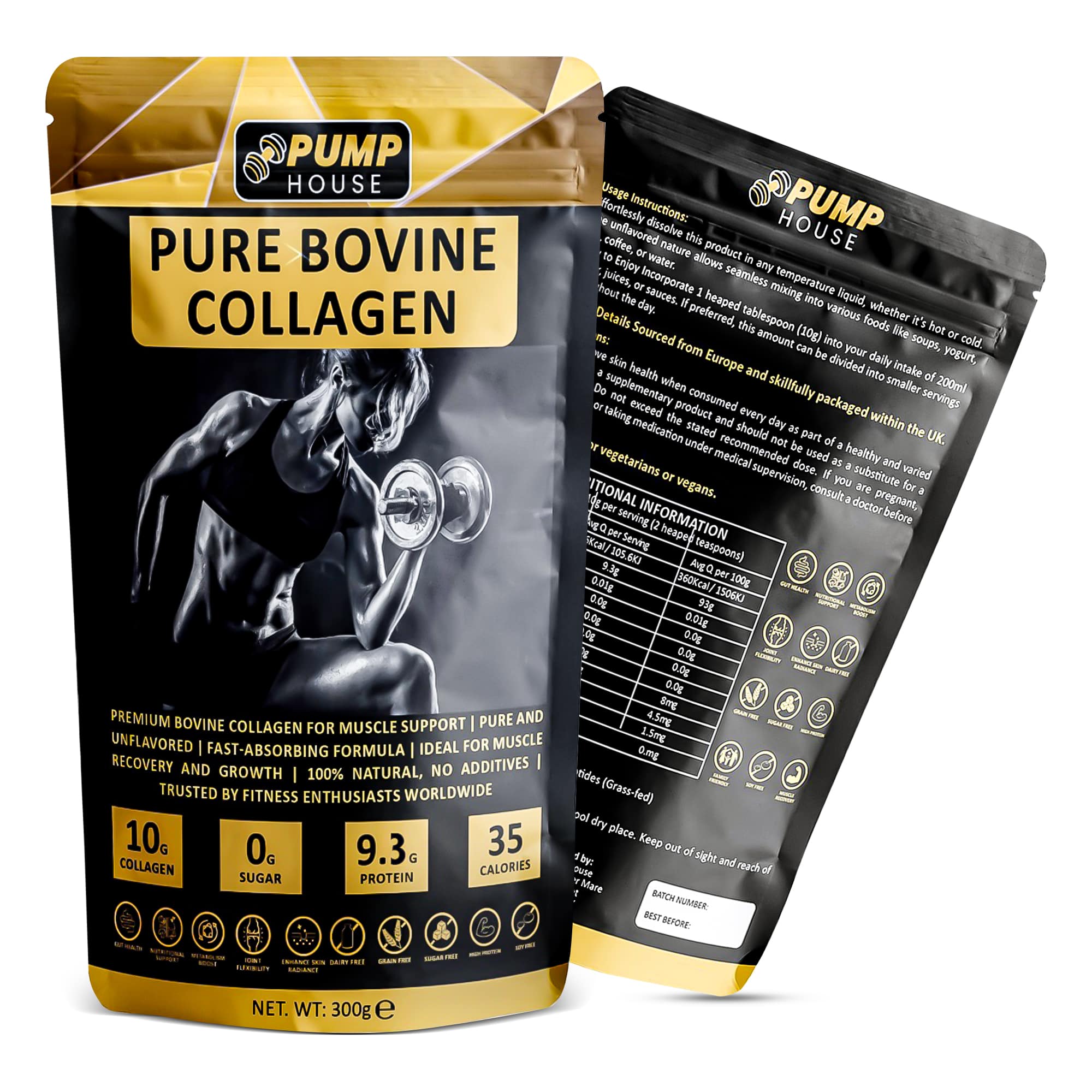
Collagen is often chosen to support skin, hair and nails, and can be an easy addition to coffee, smoothies or yoghurt. Fibre supplements may help people who need a more convenient way to increase daily fibre, but they should be introduced slowly with plenty of water. Ingredients such as ashwagandha are used by some people as part of a broader stress-management routine, not as a substitute for sleep, nourishing meals or professional support where needed.
Choose products with clear ingredients and realistic claims. At Pumphouse, the best supplement routine is the one you will actually use consistently alongside the basics: food, movement, sleep and recovery.
Build a Routine You Can Keep
The most effective nutrition plan is rarely the strictest one. It is the one that survives early meetings, late workouts, weekends out and the days when cooking from scratch is simply not happening. Keep a few dependable options in the house: protein-rich staples, easy carbohydrates, frozen fruit and veg, satisfying snacks and a convenient post-workout option.
Review your routine based on results, not one day on the scales or one flat training session. If your energy is low, first check whether you are eating enough and sleeping enough. If recovery feels poor, look at your protein intake, hydration, training load and rest days together. Nutrition works as part of the whole picture.
Fuel your life with purpose, but leave room for real life too. Make the next meal a supportive one, keep showing up, and let those small choices build the momentum your training deserves.