Does Creatine Have Calories, and Does It Break a Fast?
No, pure creatine monohydrate does not meaningfully contribute calories, and for most fasting protocols it is not considered to break a fast. The reasoning is straightforward once you look at what the molecule actually is.
What creatine monohydrate is made of
Creatine monohydrate is a single compound: creatine bonded to a water molecule. It contains no carbohydrate, no fat and no protein in any meaningful quantity. The energy yield from a 5g dose is negligible — creatine is not metabolised for fuel in the way macronutrients are. It is stored in muscle tissue as phosphocreatine and used to regenerate ATP during short bursts of high-intensity effort.
Because there is no carbohydrate to speak of, a 5g serving does not raise blood glucose and does not trigger an insulin response in the way a carbohydrate or protein dose would. Those are the two mechanisms most fasting frameworks are actually concerned with.
Why the single-ingredient, unflavoured point matters
This only holds if the product you are taking is genuinely 100% creatine monohydrate with nothing added. Many creatine products on the market include dextrose, maltodextrin, flavourings, sweeteners or amino acid blends. Those additions do contribute calories, and some of them — particularly fast carbohydrates like dextrose — would disrupt a fast by any reasonable definition.
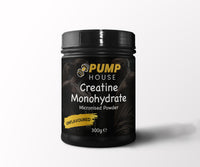
Pump House Creatine Monohydrate Micronised Powder contains one ingredient: micronised creatine monohydrate. No fillers, no sweeteners, no additives. The same is true of the Creatine Monohydrate Power Boost tablets. That is the relevant point here: a single-ingredient product carries no hidden calories from secondary ingredients. For more on why Pump House sells everything this way, see why we sell unflavoured supplements.
What fasting protocols actually care about
Fasting frameworks vary considerably. Intermittent fasting in the 16:8 pattern, time-restricted eating, extended fasts and medically supervised fasting are all different things with different goals and different rules. Most popular intermittent fasting frameworks are concerned with two things: caloric intake and insulin stimulation. Pure creatine does neither to any significant degree.
Some stricter interpretations of fasting — particularly those aimed at maximising autophagy — hold that anything other than water and electrolytes is off-limits. Under that definition, technically anything you consume could be considered to break the fast. That is a philosophical position rather than a metabolic one, and it is not something we can adjudicate here.
If you are fasting under medical supervision — for a procedure, a blood test, or as part of treatment for a diagnosed condition — do not make assumptions based on this article. Speak to your GP or the clinician managing your care.
What you mix creatine with
Worth flagging: creatine itself adds nothing calorically, but what you mix it with does. Fruit juice, milk or a protein shake will all contribute carbohydrates, calories and an insulin response. Water is the obvious neutral option during a fasting window. If you are not sure what works, what to mix creatine with covers the options.
Does timing matter?
If you are fasting and training in a fasted state, the question of when to take creatine comes up naturally. The short answer is that consistency of daily intake matters more than precise timing. Creatine works by saturating muscle stores over time — a single dose is not acutely effective in the way a pre-workout stimulant might be. Taking it at the end of your eating window, rather than during your fast, sidesteps the question entirely if you would rather not think about it.
The authorised claim for creatine is specific: creatine increases physical performance in successive bursts of short-term, high-intensity exercise. The beneficial effect is obtained with a daily intake of 3g of creatine. That effect comes from consistent daily use, not from any particular timing window.
The short answer
Pure creatine monohydrate — with no additives — contributes no meaningful calories and no carbohydrate. It does not trigger an insulin response. For the majority of fasting approaches, it does not break a fast. If your fasting protocol is medically prescribed, check with your GP before taking any supplement during the fasted window.