

Beginner Guide to Sports Supplements
You do not need a cupboard full of tubs to make progress. Most people start looking at supplements when training gets more consistent, recovery starts to matter, or daily nutrition feels harder to nail than the workout itself. That is where a beginner guide to sports supplements should start - not with hype, but with what genuinely helps.
The right supplement can make your routine easier, more consistent and more effective. The wrong one can waste money, add confusion and leave you wondering whether any of it works. If you are new to sports nutrition, the aim is simple: cover the basics, match products to your goal, and keep your stack small enough that you will actually use it.
Beginner guide to sports supplements: start with your goal
Supplements make more sense when you stop thinking in categories and start thinking in outcomes. Are you training for strength and muscle? Trying to recover better after runs? Looking for support with weight management while keeping protein high? Or are you balancing performance with wider wellness goals like digestion, stress support or skin health?
That context matters because no supplement does everything. Protein powder can help you hit daily protein targets, but it will not replace sleep or a decent breakfast. Creatine can support strength and performance, but it is not a fat burner. Greens powders can be a useful habit-builder for some people, but they are not a free pass to ignore fruit and veg.
If you are just getting started, build around one clear priority. It keeps your choices practical and helps you notice what is actually making a difference.
The supplements most beginners actually benefit from
For most active adults, protein is usually the most useful place to begin. If you train regularly and struggle to get enough protein from meals alone, a shake makes that target more realistic. It supports muscle recovery, helps with fullness if you are managing calories, and fits easily into busy days. That convenience is a big reason people stick with it.
Creatine is another strong option for beginners, especially if your focus is gym performance, strength or lean muscle. It is one of the most researched sports supplements available and tends to be simple to use. The main trade-off is patience. It is not a pre-workout style product you feel in 20 minutes. It works through regular daily use, so consistency matters more than timing.
If your training leaves you sore, under-recovered or struggling to eat well after exercise, amino acid products can appeal. They are not essential for everyone, especially if protein intake is already solid, but they can be useful around training for people who want something light and convenient. This is one of those areas where it depends on your diet. If you already hit your protein targets with ease, the benefit may be smaller.
Then there are supplements that sit at the crossover between sports nutrition and daily wellness. Fibre blends, greens powders, collagen and adaptogens all fit here. They may not be classic gym-floor products, but they can still support the bigger picture. Better digestion, better routine, better recovery habits and better day-to-day wellbeing often translate into better training consistency too.
What each supplement category is really for
Protein powders
Protein powders are there to help you reach your daily intake, not to replace real food. They are especially useful after training, at breakfast, or as part of a snack when life gets busy. If your goal is muscle gain, recovery or weight management, protein is often the most practical first buy.
The key is choosing one you will actually use. Taste, texture and how well it fits your routine matter just as much as the nutrition panel. A high-protein option that blends easily into smoothies or porridge is far more useful than a tub that sits unopened after week one.
Creatine
Creatine is best known for supporting strength, power and performance in repeated high-intensity efforts. It can suit weightlifters, gym-goers and even those doing hybrid training. It is simple, well-studied and usually affordable, which makes it beginner-friendly.
Some people avoid it because they worry about bloating or think it is only for bodybuilders. In reality, it is much more mainstream than that. A small amount of water retention can happen for some people, but that is not the same thing as gaining body fat.
Amino acids
Amino products are often used around workouts to support recovery and muscle maintenance. They can be a convenient option if you train early, do fasted sessions, or want something lighter than a full shake. They are not magic, and they should not be treated as a replacement for total daily protein, but they can have a place.
Greens, fibre and gut-focused support
This is where many beginners overlook the obvious. Performance is not just about what happens during training. If your digestion is off, your food quality is inconsistent or your routine feels chaotic, progress gets harder. Greens blends and fibre supplements can support better daily habits, especially when work, travelling or busy schedules make balance harder.
These products are most useful when they help fill a realistic gap. They are less useful when used to compensate for a lifestyle that needs broader attention.
Collagen and lifestyle wellness supplements
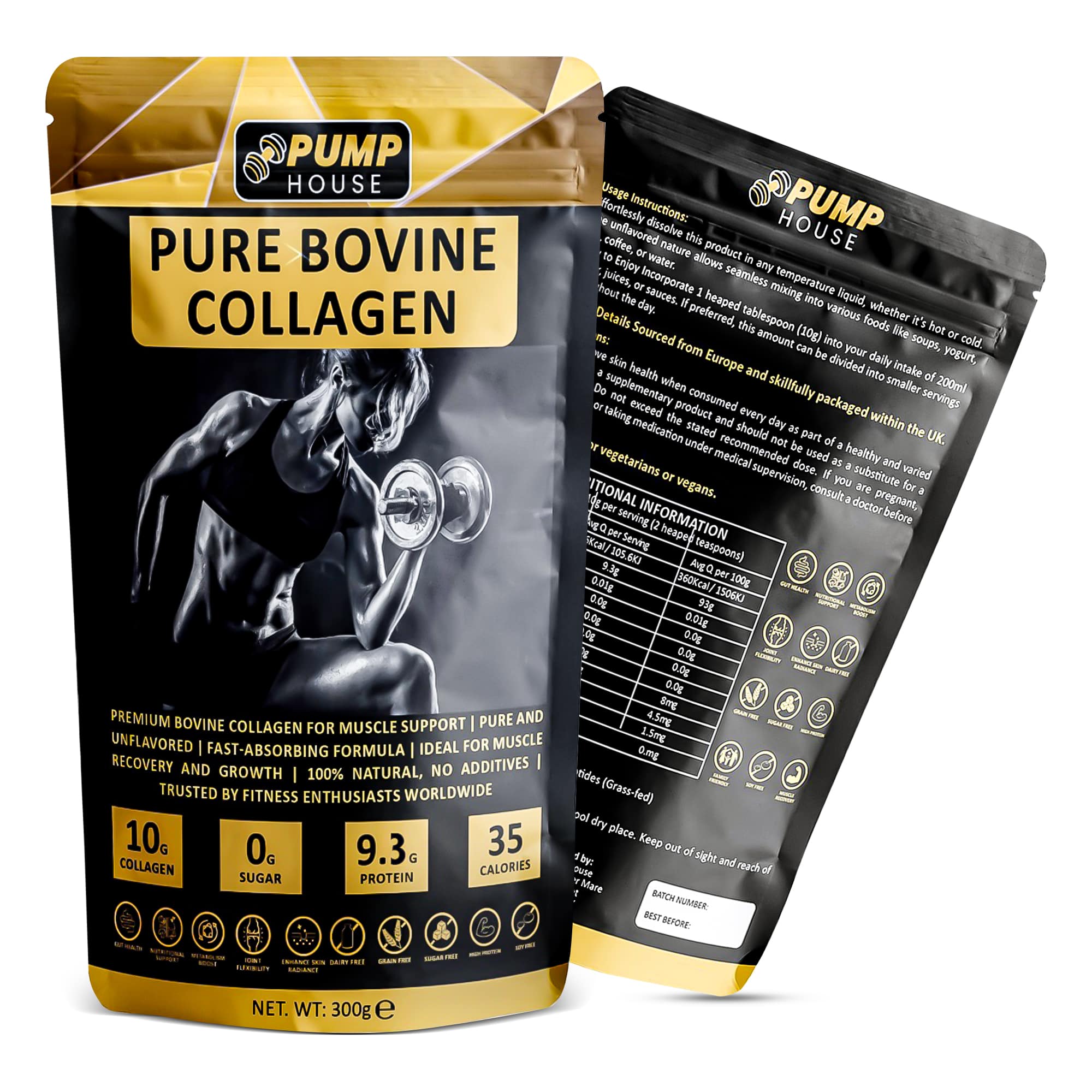
Collagen sits slightly outside classic sports supplementation, but it can still appeal to active people who care about recovery, joints, skin, hair and nails. It makes sense for those who want performance support without separating fitness from everyday wellbeing. That joined-up approach is one reason wellness-focused sports nutrition has become so popular.
How to choose sports supplements without wasting money
The smartest approach is to keep your first stack tight. Start with one or two products that directly support your goal and routine. If you are lifting three or four times a week and want to build muscle, protein and creatine make more sense than buying five different powders with overlapping benefits. If you are focused on managing appetite while staying active, protein and fibre may be a better fit.
Read labels with a practical eye. Look at protein per serving, serving size, ingredient clarity and how often you are expected to take it. Fancy branding is not enough on its own. You want something that feels clean, straightforward and easy to use every day.
It also helps to be honest about your habits. If you never make elaborate shakes, do not buy products that require a whole kitchen ritual. Choose supplements that slot into your life - mixed with water after training, added to coffee, stirred into yoghurt, or blended into a quick breakfast. The easier it feels, the more momentum you keep.
Beginner mistakes that slow progress
The most common mistake is expecting supplements to fix poor basics. If your sleep is patchy, your meals are inconsistent and your training plan changes every week, supplements will not carry the load. They are support tools, not shortcuts.
The next mistake is taking too much, too soon. Beginners often buy a fat burner, a pre-workout, a recovery powder, greens, creatine, collagen and protein in one go, then end up overwhelmed. Start simple. Give each product time. Notice what changes.
Another mistake is chasing trends instead of relevance. Just because a supplement is popular on social media does not mean it matches your goal. The best product is the one that solves a real problem in your routine.
How to build your first routine
A good beginner routine should feel boring in the best way. Reliable. Easy. Repeatable.
If you train for strength or muscle, a protein shake after training or during the day and daily creatine is a sensible foundation. If your goal is balanced wellness with regular training, protein plus a greens or fibre product may feel more aligned. If recovery and appearance both matter, collagen could be worth considering alongside your core staples.
This is also where quality matters. Brands that focus on clean ingredients, practical formulations and products that fit into everyday life tend to serve beginners better than brands that overcomplicate everything. Pumphouse sits well in that space because the products are built around real routines, not just gym jargon.
A quick reality check on results
Some supplements work by helping you hit your nutrition targets more consistently. Others support performance more gradually over time. That means results are rarely dramatic overnight. What you are looking for is not a miracle feeling. It is better recovery, easier routine adherence, stronger sessions, less friction around nutrition and more confidence that your effort is being backed properly.
That may sound less glamorous than flashy marketing claims, but it is how sustainable progress usually looks. Small gains that stack up are still gains.
Beginner guide to sports supplements: keep it simple enough to stick with
If you remember one thing from this beginner guide to sports supplements, make it this: the best supplement plan is the one you can follow next week, next month and when life gets busy. Start with your goal, choose products with a clear job to do, and let consistency do the heavy lifting.
You do not need perfect timing, a complicated stack or a sports science degree to get started. You just need a routine that supports the life and training you are building - one scoop, one session and one better choice at a time.