

Protein Powder for Weight Management
A shake can be the difference between feeling in control of your food choices and raiding the biscuit tin at 4pm. That is why protein powder for weight management has become a staple for people who want something practical, filling and easy to work into a busy day. Used well, it can support appetite control, protect lean muscle and make it easier to stay consistent without turning your diet into hard work.
Why protein powder for weight management works
Weight management is rarely about one magic product. It is about habits you can actually stick to. Protein helps here because it is one of the most satisfying macronutrients. A protein-rich meal or snack can help you feel fuller for longer, which may make it easier to manage hunger and avoid the kind of grazing that quietly pushes calories up over time.
There is also the muscle piece. If you are trying to lose body fat, you do not want to sacrifice hard-earned muscle at the same time. Eating enough protein supports muscle maintenance, especially if you are training regularly or keeping active. That matters because lean muscle plays a valuable role in performance, recovery and overall body composition.
Protein powder is not superior to whole foods, but it is more convenient than grilling chicken at your desk or carrying tubs of Greek yoghurt everywhere. That convenience counts. The best nutrition plan is the one you can repeat on your busiest days, not just your most motivated ones.
What protein powder can and cannot do
Protein powder can help you hit your daily protein target without much fuss. It can make breakfast more substantial, turn a light lunch into something more satisfying, or stop the post-gym hunger spiral that ends in takeaway. It can also be useful when your routine is packed and you need something fast that still supports your goals.
What it cannot do is cancel out a consistently excessive calorie intake, poor sleep, low activity or a stop-start approach. If your overall routine is chaotic, protein powder will not fix that on its own. Think of it as support, not a shortcut.
That distinction matters. Weight management works best when protein powder is part of a bigger picture that includes balanced meals, enough movement and realistic consistency.
Choosing the right protein powder for weight management
Not every tub on the shelf is built for the same goal. Some are designed for maximum calories and mass gain. Others are lighter, leaner and easier to fit into a calorie-conscious routine. If weight management is the priority, the label matters.
Start with protein content. A good option will give you a solid serving of protein without piling on unnecessary sugars or fillers. Many people do well with around 20 to 25 grams per serving, though the right amount depends on your overall diet and body size.
Then look at calories. Lower calorie does not always mean better, but it does help to know what you are getting. If you are using protein powder between meals or as part of a snack, a leaner formula often makes more sense than a heavy gainer.
Ingredient quality counts too. Clean, straightforward formulas tend to fit better into everyday wellness routines. If you prefer to avoid lots of added extras, choose a product that keeps the focus on protein and digestibility rather than hype.
Taste is not a small detail either. If your protein powder tastes chalky or overly sweet, you will not keep using it. Consistency beats perfection, so pick a flavour you will genuinely enjoy in smoothies, oats, yoghurt or a simple shaker bottle.
Whey, casein or plant protein?
Whey protein is a popular choice because it is convenient, widely available and rich in essential amino acids. It works well post-workout and as an easy protein top-up during the day. If you want something quick, versatile and effective, whey is often the first stop.
Casein digests more slowly, so some people prefer it in the evening or when they want a more sustained feeling of fullness. It can be useful if late-night snacking is where your routine tends to wobble.
Plant protein suits those who avoid dairy or simply prefer a plant-based option. The texture and flavour can vary more, so quality matters, but a good plant blend can still support fullness and daily protein intake effectively.
There is no universal winner. It depends on your preferences, digestion and how you plan to use it.
The best times to use protein powder
Timing is not everything, but smart timing makes protein powder more useful. One of the best moments is breakfast. A low-protein breakfast, or skipping it altogether, can leave you playing catch-up with hunger by mid-morning. Adding protein to porridge, blending a shake into your commute, or stirring it into yoghurt can create a much stronger start.
Post-workout is another obvious slot. Training can increase appetite, and if you finish a session starving, it is easier to overdo it later. A protein shake after exercise can support recovery and take the edge off hunger until your next meal.
The afternoon is where protein powder often earns its place. That 3pm slump is real, especially if lunch was light or you have been on the move. A protein-based snack can be more satisfying than grabbing crisps, pastries or another coffee and hoping for the best.
Some people also use protein powder as part of an evening routine, particularly if they struggle with late snacking. It will not suit everyone, but if your appetite peaks at night, a protein-rich option can help steady things.
Easy ways to use it without getting bored
A shake with water or milk is the fastest option, but it is not the only one. Protein powder works well in overnight oats, blended into smoothies with fruit and spinach, mixed into yoghurt, or stirred through porridge. It can also be added to recipes like pancakes or baked oats if you prefer your nutrition to feel more like actual food.
Variety helps because weight management usually falls apart when meals start feeling repetitive or restrictive. The easier your protein powder is to fit into your life, the more likely you are to keep the habit going.
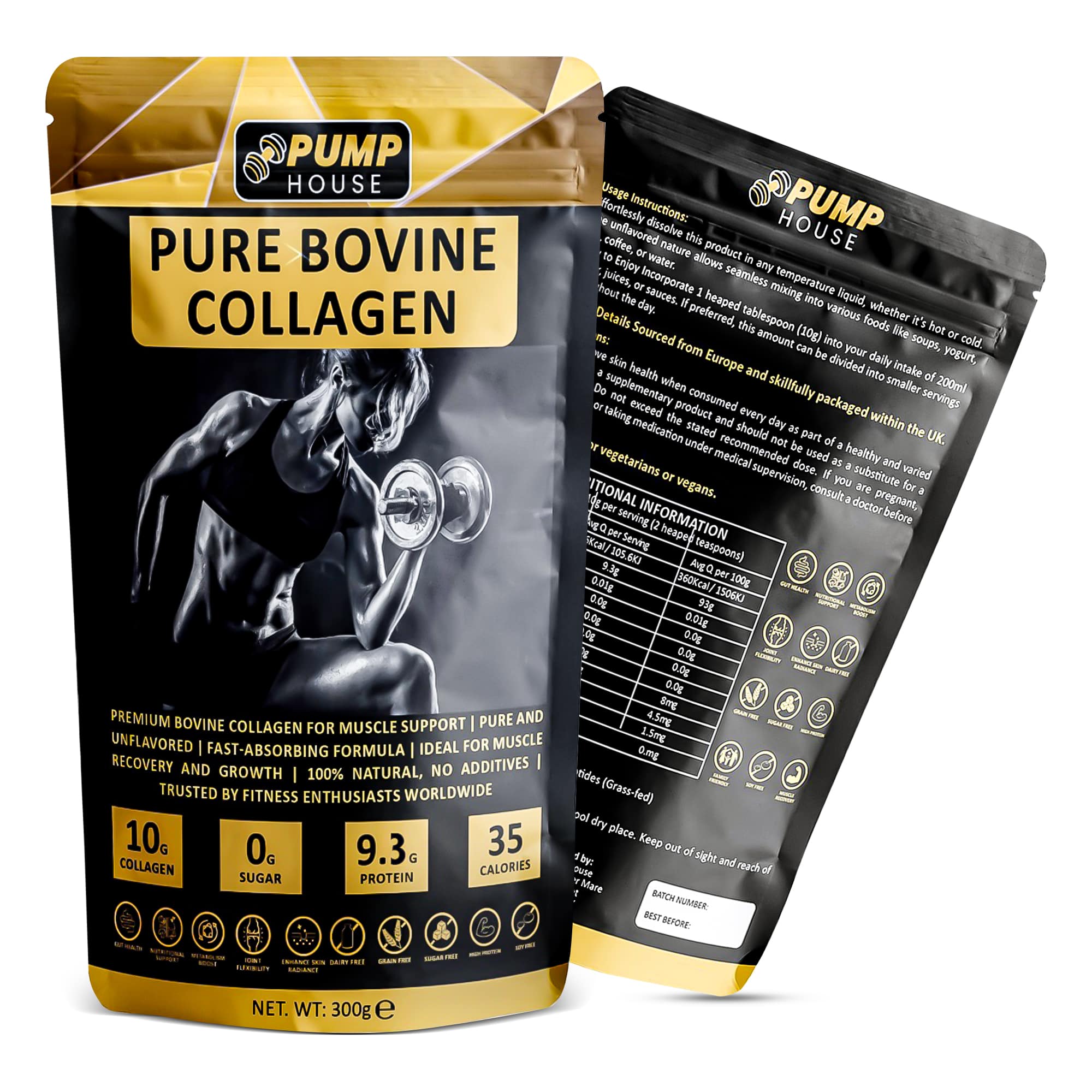
This is where a brand like Pumphouse fits naturally into a modern routine - clean, functional supplementation that supports performance and everyday wellbeing without making nutrition feel complicated.
Common mistakes that hold people back
One of the biggest mistakes is treating protein powder as a meal replacement by default. Sometimes that works, especially when you are short on time, but many people feel fuller for longer when protein is paired with fibre, healthy fats or whole-food carbohydrates. A shake on its own may not keep you satisfied if the rest of the meal is missing.
Another mistake is assuming more is always better. Extra protein is not automatically harmful for most healthy adults, but piling it on without any awareness of your total intake can become unnecessary. The goal is enough protein to support your appetite, recovery and body composition, not endless scoops because it feels healthy.
There is also the halo effect. People often add a protein shake and then become less mindful elsewhere, as if one good habit gives licence for three unhelpful ones. Weight management still comes back to the overall pattern of your day.
Finally, some people choose a powder that does not agree with them. If you feel bloated, overly full or uncomfortable, it may be the type of protein, the sweeteners, or simply the serving size. Adjusting the formula or how you use it can make a big difference.
How much protein do you actually need?
There is no single number that fits everyone. Your ideal intake depends on your size, activity level, training goals and whether you are trying to lose body fat. Active adults often benefit from a higher protein intake than the bare minimum, especially during a calorie deficit.
A useful approach is to spread protein across the day rather than cramming it into one meal. That tends to support fullness more effectively and makes your intake easier to manage. If your meals are consistently low in protein, that is usually where powder helps most.
Think of it as filling a gap. If you already eat plenty of protein from whole foods, you may only need it occasionally. If your schedule makes balanced eating harder, it can become one of the simplest tools in your routine.
A smarter way to think about progress
The real win is not just a lower number on the scales. It is better control around food, steadier energy, improved recovery and a routine that feels sustainable. Protein powder can support that, particularly when your days are full and your goals still matter.
You do not need to be perfect. You need a plan that works on normal Tuesdays, stressful deadlines and training days when motivation is high but time is short. When protein powder makes that plan easier to follow, it earns its place. Choose one that fits your lifestyle, use it with intention, and let consistency do the heavy lifting.