

7 Best Supplements for Gym Recovery
You know the feeling. Yesterday’s session was strong, your numbers were up, and motivation was high. Then the next morning lands with heavy legs, stiff shoulders and that awkward walk downstairs. That is exactly why the best supplements for gym recovery matter - not because they replace training, food or sleep, but because they can help you bounce back better and keep your momentum moving.
Recovery is where progress actually sticks. You do not build strength, fitness or muscle in the middle of a set. You build it afterwards, when your body repairs tissue, restores energy and adapts to the work you asked it to do. The right support can make that process feel smoother, especially when you are balancing gym sessions with work, family life and everything else.
What makes the best supplements for gym recovery?
A good recovery supplement should do one of a few clear jobs. It should help replenish what training used up, support muscle repair, ease the strain of hard sessions, or make it easier to stay consistent with your nutrition. That sounds simple, but not every product on the shelf deserves a place in your routine.
The best options are practical, easy to use and tied to a real benefit. If a supplement makes it easier to hit your protein target, top up key nutrients or support sleep quality, it has a role. If it promises instant results while your sleep is poor and your meals are patchy, it is probably solving the wrong problem.
There is also an important trade-off here. The hardest training blocks usually need more recovery support, but beginners can benefit too because they often feel the biggest jump in soreness. Your ideal stack depends on your training style, diet and recovery habits. A bodybuilder, Hyrox athlete and busy office worker doing three evening sessions a week may all need slightly different support.
Protein powder still earns its place
If your goal is muscle repair and growth, protein remains one of the most reliable recovery supplements you can use. Training creates stress in muscle tissue. Protein provides the amino acids your body uses to repair and rebuild.
This is why a high-protein shake after training is still a staple. It is convenient, fast and easy to digest, especially when a proper meal is not happening straight away. For plenty of gym-goers, that convenience is the real win. The best plan is not the most complicated one. It is the one you will actually stick to after every session.
That said, more is not always better. If you already eat enough protein across the day, adding extra shakes on top may not change much. Protein powder works best as a practical tool to help you reach your daily intake, not as a magic extra.
Essential amino acids and BCAAs
Amino supplements are popular in recovery for a reason. Amino acids are the building blocks of protein, and essential amino acids can help support muscle protein synthesis. For people who train fasted, struggle to eat enough, or want something light around their workout, they can be useful.
BCAAs tend to get more attention, but the bigger picture matters. If your overall protein intake is strong, the extra benefit of BCAAs alone may be limited. Essential amino acids often make more sense because they offer a broader profile.
Where they really shine is convenience. If you want a quick recovery option between meetings, on the commute home, or before a full meal, amino support can help bridge the gap. It is not a replacement for proper nutrition, but it can keep your routine on track.
Creatine is not just for performance
Creatine is usually talked about as a strength and power supplement, but it deserves a mention in any conversation about the best supplements for gym recovery. By supporting energy production in high-intensity exercise, it can help you train hard and recover more effectively between sessions.
Over time, that matters. Better training quality often means better adaptation, and creatine may also help reduce the feeling of being completely drained after repeated high-output work. For lifters, sprinters and anyone doing explosive gym sessions, it is one of the most worthwhile additions to a simple stack.
The key here is consistency. You do not need to overcomplicate timing. Daily use matters more than chasing the perfect minute to take it. It also tends to work best as part of a long-term plan rather than a quick fix before a heavy week.
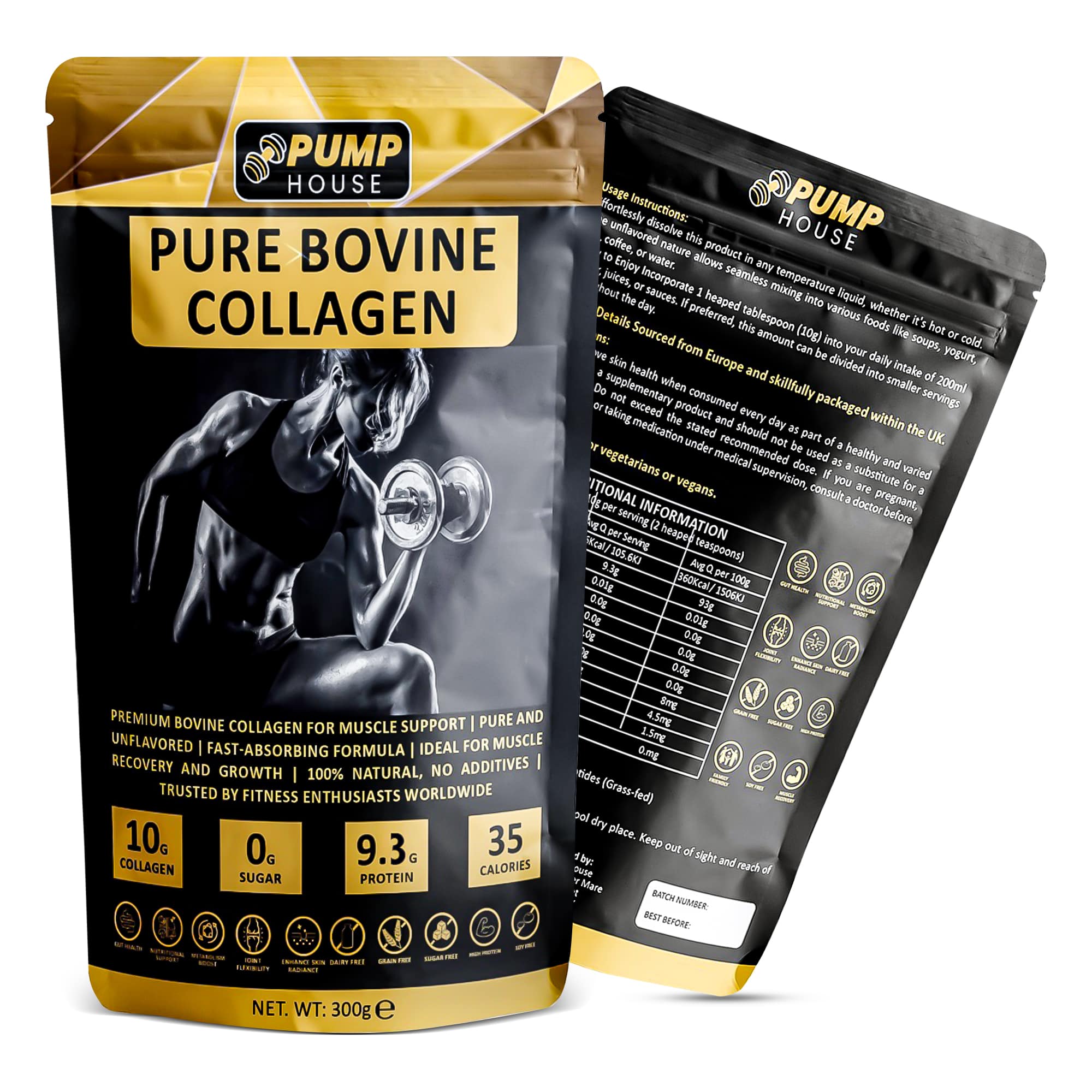
Collagen for connective tissue support
Recovery is not only about muscle. Joints, tendons and connective tissue take a hit too, especially if you train regularly, lift heavy or mix strength work with running. That is where collagen can make sense.
Collagen supplements are often associated with skin, hair and nails, but active people are paying attention for another reason. Collagen provides key amino acids involved in connective tissue structure, which is why it can sit nicely in a recovery-focused routine.
This is especially relevant if your training volume is climbing and your body feels generally worn rather than just sore. It is not a substitute for proper programming or mobility work, but it can be a smart addition when you want to support the parts of training that are easy to overlook. For many people, collagen is also simple to build into daily life through coffee, smoothies or shakes, which makes consistency much easier.
Magnesium for recovery you can actually feel
Sometimes the issue is not the session. It is the poor sleep that follows it. If you are training hard but sleeping badly, recovery can stall fast.
Magnesium is worth considering because it supports muscle function and helps with relaxation. Plenty of active adults are not thinking about it until cramps, restlessness or low-quality sleep start showing up. If your nervous system feels stuck in overdrive after evening training, magnesium may help bring things back into balance.
This is one of those supplements where the benefit can feel indirect but still powerful. Better sleep usually means better recovery, better energy and better training consistency. It will not erase soreness overnight, but it can support the conditions your body needs to do the job properly.
Greens powders help cover the basics
Greens powders are not a replacement for fruit and veg, but they can be a useful backup when life gets busy. Recovery depends on more than protein alone. Micronutrients, hydration and general diet quality all play a role in how you feel after training and how quickly you are ready to go again.
If your meals are inconsistent, travel is frequent, or your workdays are full-on, a quality greens blend can help support the nutritional basics. That matters more than many people realise. Sometimes recovery feels poor not because your programme is wrong, but because your wider routine is patchy.
This is where a wellness-led approach pays off. The gym does not sit in a separate box from the rest of your life. Digestion, energy, stress and daily nutrition all feed into your recovery capacity.
Omega-3 and inflammation support
Hard training creates inflammation. That is part of the process. The goal is not to eliminate it completely, because some degree of inflammatory response helps drive adaptation. The goal is to support healthy recovery so that you are not carrying excessive fatigue from session to session.
Omega-3 fatty acids can be useful here, particularly if your diet is low in oily fish. They are often included in recovery conversations because they support general health and may help with the body’s inflammatory response.
This is another case of it depends. If your diet already includes regular salmon, mackerel or sardines, you may be in a better place already. If not, supplementation may help fill the gap. It is less flashy than some gym products, but often more sensible than chasing the latest trend.
Carbohydrates still matter more than many supplements
This is not a supplement in the classic sense, but it needs saying. If your sessions are intense, frequent or long, carbohydrates are one of the biggest drivers of recovery. Glycogen replenishment matters, especially for people training several times a week or doing double sessions.
A post-workout shake with protein and carbs can be one of the simplest ways to support repair and refuel at the same time. If you are constantly under-eating carbs, no amount of premium recovery products will fully cover that gap.
That does not mean everyone needs a carb powder. Some people will do perfectly well with a normal meal. But if appetite is low after training or convenience matters, having an easy option can make a real difference.
How to choose the right recovery stack
The smartest approach is usually the simplest one. Start with what your body and routine actually need. If your protein intake is low, begin there. If your sleep is poor, look at magnesium and your evening habits. If your joints feel more battered than your muscles, collagen may be more relevant than another pre-workout-style product pretending to be recovery support.
A good starter stack for many gym-goers looks straightforward: protein for muscle repair, creatine for ongoing performance and recovery support, and one or two extras based on your weak spots, whether that is sleep, connective tissue or overall diet quality. Brands like Pumphouse make this easier by focusing on functional products that fit into real routines rather than turning recovery into a full-time job.
The best recovery routine is the one that keeps you showing up strong, not just once, but week after week. Build around the basics, choose supplements with a clear purpose, and give your body the support it needs to keep moving forward.