

Best Protein Powders for Runners
You feel it most the day after a hard session. Calves tight, quads heavy, stairs suddenly personal. Training makes progress, but recovery is where that progress sticks. That is why the best protein powders for runners are not just for bodybuilders or gym regulars. They can be a practical part of staying consistent, recovering well and turning effort into better miles.
For runners, protein is less about bulking up and more about repair, resilience and routine. Whether you are training for a 10K, building towards a half marathon, or trying to keep your weekly runs feeling strong around a busy life, the right powder can make recovery easier. The trick is choosing one that matches your training, your digestion and your goals.
What runners actually need from protein
Running is often seen as a cardio-first sport, but your muscles still take a beating. Every hill repeat, long run and speed session creates small amounts of muscle damage. Protein helps repair that damage, supports adaptation and can help you hold on to lean muscle when mileage climbs.
That matters more than many runners realise. If you are under-fuelling or skipping recovery nutrition, you may notice fatigue hanging around for longer, legs feeling flat in key sessions, or strength work becoming harder to progress. Protein will not replace enough sleep or good overall nutrition, but it can make your recovery plan much more reliable.
Most active adults do well with protein spread across the day rather than crammed into one meal. For runners, that usually means thinking beyond dinner. A shake after training, blended into a smoothie or mixed with oats, can be a simple way to close the gap.
Best protein powders for runners by type
There is no single powder that suits every runner. The best option depends on how hard you train, what your stomach tolerates and whether you want support for muscle recovery, satiety or joint-friendly nutrition.
Whey protein for fast recovery
Whey is still the benchmark for many active people, and for good reason. It is a complete protein, naturally rich in leucine, and absorbed quickly. That makes it especially useful after harder runs, gym sessions or double training days when you want something convenient and effective.
If you tolerate dairy well, whey is often the easiest place to start. A whey concentrate can be a solid everyday option, while whey isolate is usually lower in lactose and a better fit if regular whey feels heavy. The trade-off is cost, as isolate tends to be pricier.
For runners who want a shake that feels light after training, whey usually wins on texture and mixability. It also pairs well with carbohydrates, which is useful because recovery is not just about protein. After long or intense sessions, adding fruit, oats or a banana can make your post-run shake more effective.
Vegan protein for plant-based runners
If you avoid dairy or simply prefer a plant-based approach, vegan protein can absolutely do the job. The best blends usually combine sources such as pea and rice protein to give a more complete amino acid profile.
The main thing to watch is quality and texture. Some plant proteins are excellent, while others are gritty, overly sweet or leave a heavy aftertaste. You may also need a slightly larger serving to match the leucine content you would get from whey.
That does not make vegan protein second best. For many runners, it is easier on digestion and fits better with their wider lifestyle choices. If you train early or have a sensitive stomach, a cleaner plant-based blend can be a smart move.
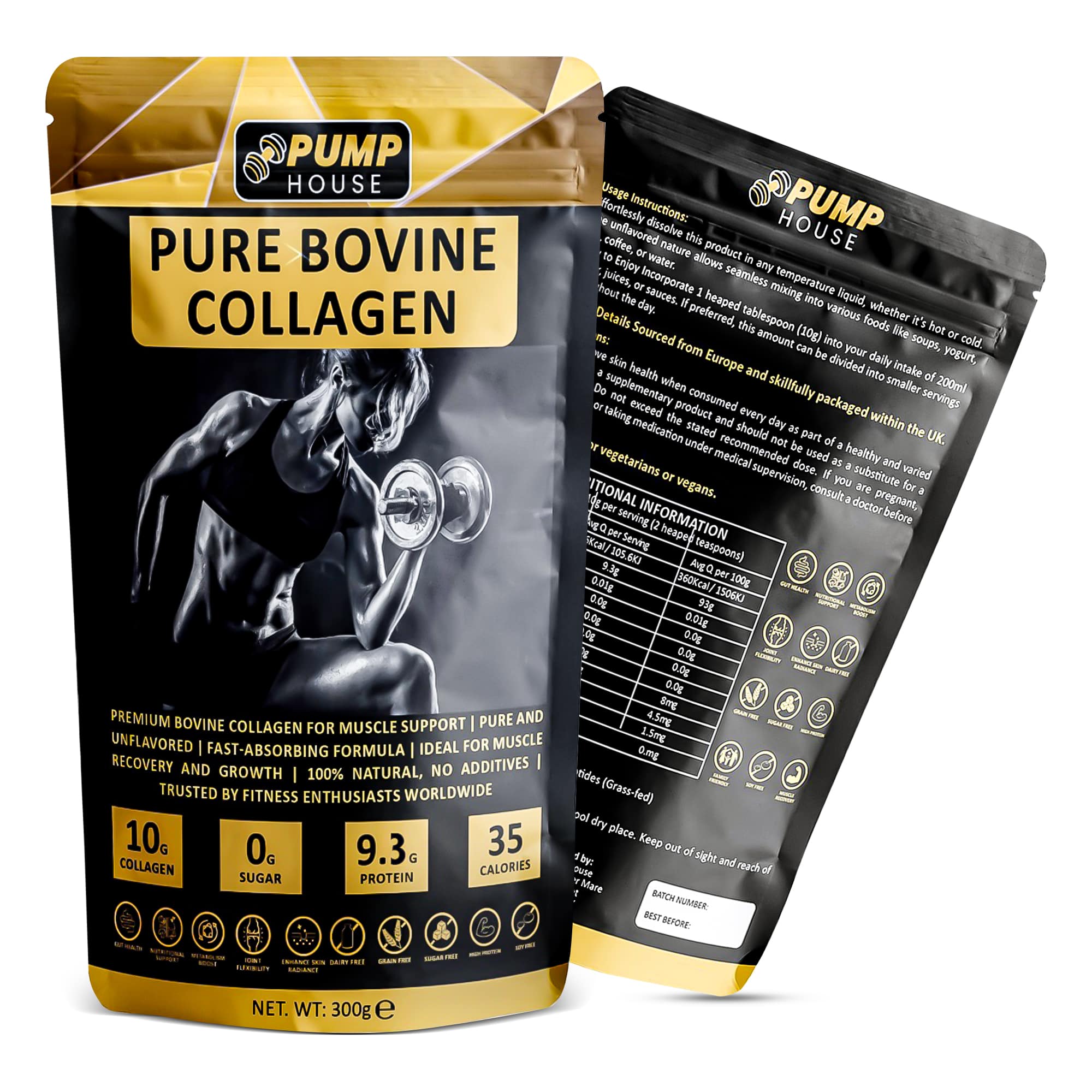
Collagen protein for a wider recovery routine
Collagen is not a complete protein in the same way whey or vegan blends are, so it should not be your only protein source if muscle recovery is the priority. But it still has a place for some runners.
If your focus includes joints, tendons or staying resilient through repetitive training, collagen can be a useful add-on in a broader routine. Many runners like it because it mixes easily into coffee, shakes or yoghurt and feels less like a traditional sports supplement. It is better viewed as specialist support rather than your main post-run recovery powder.
Casein for staying fuller for longer
Casein digests more slowly than whey, which makes it less popular straight after training but useful in other situations. If you struggle to eat enough across the day, or you want something more filling in the evening, it can help you top up protein intake without feeling like another meal is needed.
For runners in a fat-loss phase, that slower digestion can also help with appetite. The downside is that it can feel too thick or heavy for some people, especially soon after a run.
How to choose the best protein powders for runners
Start with your actual sticking point, not the label on the tub. If your biggest issue is sore legs and inconsistent recovery after hard sessions, a whey or high-quality vegan blend makes the most sense. If you are looking at whole-body support and want something easy to add to your day, collagen may be worth considering alongside your regular protein intake.
Next, think about digestion. This is where good intentions can fall apart. A protein powder only helps if you will use it consistently, and that will not happen if it leaves you bloated on the commute or uncomfortable halfway through the morning. Runners often train around work, family and travel, so practicality matters.
Then there is the ingredient list. Clean, straightforward formulas tend to work best for people who want daily-use supplements that fit naturally into real life. That means enough protein per serving, sensible sweetness, and no unnecessary extras just to make the label look busier.
Taste matters too. It sounds obvious, but if the flavour is poor, the tub ends up forgotten at the back of the cupboard. A good protein powder should make your routine easier, not feel like a chore.
When runners should take protein
The old idea that you must drink protein within minutes of finishing a run is overstated, but timing still has value. After a demanding session, having protein within a couple of hours is a practical target, especially if your next proper meal is a long way off.
That said, the bigger win is total daily intake. If breakfast is light, lunch is rushed and dinner does all the heavy lifting, a protein shake can help smooth things out. Many runners also find it useful after strength training, since that is where the muscle-repair side of protein becomes even more relevant.
For morning runners, a shake after training can stop the day starting in a deficit. For evening runners, it can be a simple bridge between the session and supper. There is no need to overcomplicate it. Consistency beats perfection.
Common mistakes runners make with protein powders
One common mistake is treating protein as the whole recovery plan. If you are skipping carbohydrates after long runs, sleeping badly and not hydrating properly, protein alone will not rescue the session. It works best when the basics are already in place.
Another is choosing a powder based on hype rather than fit. A marathon runner, a casual parkrunner and someone training for hybrid fitness events may all need slightly different things. Your training volume, body size and food habits matter more than marketing buzzwords.
The last mistake is assuming more is always better. Very high-protein intakes are not automatically useful for runners, especially if they crowd out carbohydrates that support performance. The goal is balance - enough protein to recover and adapt, without losing sight of the fuel that powers the run itself.
So which protein powder is best?
For most runners, whey protein is the most effective all-round choice if dairy suits you. It is quick, complete and easy to use after training. If you prefer plant-based options, a well-formulated vegan blend is the strongest alternative and can work just as well when used properly. If your interest is broader wellness support with an eye on joints and connective tissue, collagen can add value, but it should not replace a complete protein source.
That is the real answer behind the search for the best protein powders for runners. The best one is the powder you digest well, enjoy using and can build into your week without friction. At Pumphouse, that idea matters. Supplements should support momentum, not complicate it.
Running asks a lot of your body, but it also rewards the small habits. A better recovery shake will not run the miles for you. It can, however, help you show up fresher, train with more intent and keep moving with purpose.