

Collagen Powder vs Tablets: Which Wins?
If you are weighing up collagen powder vs tablets, the real question is not which one looks better on the shelf. It is which format you will actually take consistently, at the right dose, and in a way that fits your routine. For most people, that matters far more than clever packaging or wellness buzzwords.
Collagen has become a daily staple for people chasing stronger recovery, better joint support, and visible benefits for skin, hair and nails. But once you decide to add it in, the format choice can feel oddly complicated. Powder sounds versatile. Tablets sound easy. Both can work. The better option depends on your goals, your lifestyle, and how much collagen you want in each serving.
Collagen powder vs tablets: what is the actual difference?
At a basic level, both formats are designed to give you collagen peptides, usually hydrolysed collagen that has been broken down into smaller amino acid chains. That makes it easier to mix, easier to digest, and practical for daily use.
The biggest difference is not the ingredient itself but the delivery. Collagen powder is usually stirred into water, coffee, smoothies, oats or shakes. Tablets are swallowed whole, often in multiple pills to reach a meaningful serving size. That changes the user experience quite a lot.
If you are someone who already makes a morning coffee, preps a smoothie after training, or keeps a shake as part of your workday, powder often feels effortless. If you travel a lot, like a no-mess option, or want something quick before heading out the door, tablets can seem more convenient.
That said, convenience is only one part of the picture.
Dose matters more than format
This is where collagen powder vs tablets starts to separate properly. Many studies on collagen supplementation use daily amounts in the region of 2.5g to 10g, depending on the goal. Skin-focused products may sit at the lower end. Joint support, recovery support and more performance-led routines often push higher.
Powder makes that easier. A single scoop can give you several grams in one go. With tablets, the serving can be much smaller per pill, which means you may need to take several tablets a day just to match one scoop of powder. Some people do not mind that. Others start strong, then get tired of swallowing four, six or even more tablets every day.
So if your goal is simply to say you are taking collagen, either format can do the job. If your goal is to take a clinically relevant dose consistently, powder often has the edge.
Absorption: is one better than the other?
This is one of the most common questions, and the honest answer is that it depends more on the collagen type and quality than whether it comes as a powder or tablet. If both contain hydrolysed collagen peptides, your body is not likely to treat them as completely different ingredients.
Once a tablet breaks down in the digestive system, it is still delivering collagen peptides. The issue is less about absorption and more about how much collagen is actually in each serving, plus whether extra binders or fillers have been used to hold the tablet together.
Powders tend to be simpler in formulation. Tablets often need additional ingredients to keep their shape and improve shelf stability. That does not automatically make tablets worse, but if you prefer a cleaner, more stripped-back supplement style, powders often feel more in line with that approach.
Which is easier to stick with?
The best supplement routine is the one that survives real life. That means busy mornings, late finishes, rushed gym sessions and weekends when your usual structure disappears.
Powder works brilliantly for habit stacking. You can add it to a morning drink, blend it into a post-workout shake, or stir it into yoghurt. It becomes part of something you are already doing. For many people, that is the difference between taking collagen for two weeks and taking it for three months.
Tablets are easier in a different way. There is no mixing, no measuring and no shaker bottle to rinse afterwards. You can keep them in your bag, desk drawer or car and take them wherever you are. If you hate the idea of adding one more scoop to your day, tablets may feel cleaner and simpler.
The trade-off is that tablet routines can become forgettable. If there is no clear anchor habit, it is easy to skip a serving and promise yourself you will take it later.
Taste and texture can make or break it
Not everyone wants to drink their supplements. That is fair. Even high-quality collagen powder can have a slight taste or change the texture of a drink, especially if the product is unflavoured and mixed into plain water.
In coffee or a smoothie, that is usually less noticeable. In a light juice or just water, some people pick up on it straight away. If you are fussy about flavour and mouthfeel, tablets may suit you better.
On the other hand, people who dislike swallowing tablets often find powder much easier. There is also a psychological boost in feeling like your supplement is part of a stronger routine - especially when it sits alongside protein, greens or other daily support products.
Value for money
This is an underrated part of the decision. Collagen tablets can look affordable at first glance, but the price per serving is not always the full story. The more useful measure is price per gram of collagen.
Powders often come out stronger here, especially if they deliver higher servings with fewer extras. You are usually paying for more of the active ingredient and less for packaging, tablet compression and added fillers.
That does not mean tablets are poor value across the board. If you only want a low daily amount or you place a premium on portability, the added cost may be worth it. But if you are taking collagen daily for skin support, training recovery or long-term joint care, powder often gives you more room to stay consistent without spending unnecessarily.
Collagen powder vs tablets for fitness goals
If you train regularly, collagen is often less about beauty trends and more about support. Hard sessions place stress on joints, tendons and connective tissue. Recovery is not just about muscle. It is about staying durable enough to keep showing up.
For active people, powder tends to fit more naturally. It slots into post-workout nutrition, can be added to protein shakes, and usually delivers a bigger serving in one hit. That makes it practical for people who already think in terms of fuelling, recovery and routine.
Tablets can still play a role, especially if you are keeping things minimal or want a travel backup. But for gym-goers, runners and anyone building supplementation around performance, powder usually feels more aligned with the bigger picture.
When tablets make more sense
There are situations where tablets are the smarter call. If you travel frequently for work, keep a supplement routine at your desk, or do not want powders in your kitchen, tablets are genuinely handy. They are tidy, portable and easy to portion.
They can also suit beginners who feel overwhelmed by tubs, scoops and stackable supplements. A tablet format can feel less like a full nutrition routine and more like a simple first step.
Just keep an eye on the label. Check how much collagen you get per serving, how many tablets count as one serving, and whether the routine still feels realistic after the novelty wears off.
So which one should you choose?
If you want the short answer, collagen powder is usually the stronger all-round choice. It tends to offer a higher dose, better value per gram, and easier integration into a results-focused routine. For people serious about recovery, skin support or staying consistent, that combination is hard to ignore.
Tablets still have a place. They are clean, convenient and easy to carry. If portability is your top priority, or if you know you will never enjoy mixing powders, they may be the better fit for you.
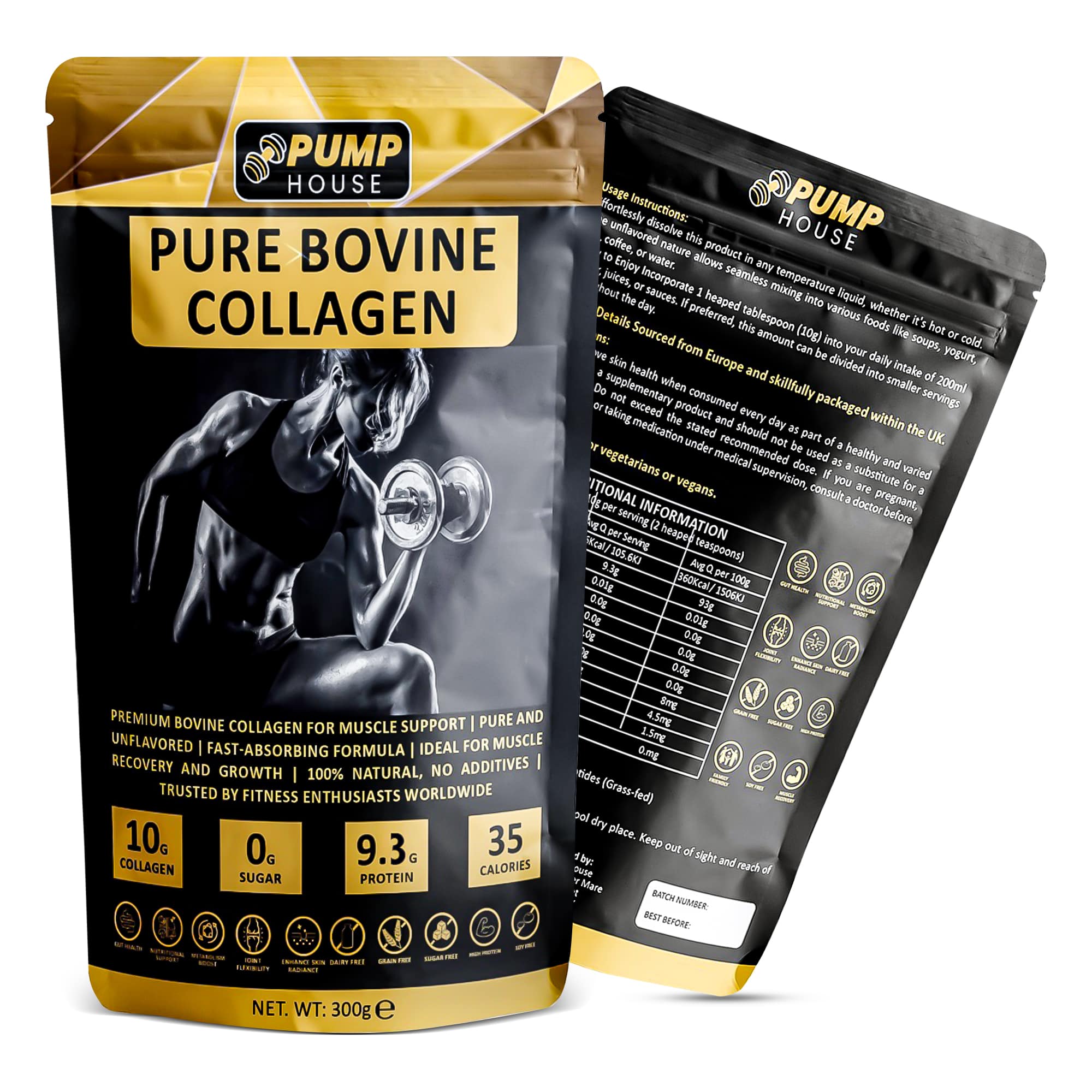
The smart move is to choose the format that removes friction. A great collagen product only works if it becomes part of your week without effort. That is why many active people lean towards powder - especially when they already build habits around shakes, coffee or breakfast prep. For a brand like Pumphouse, where clean ingredients and everyday performance matter, that practical fit is exactly the point.
Your routine does not need to look perfect. It just needs to work on Monday morning, after leg day, in the office, and when life gets busy. Pick the collagen format you will actually use, and let consistency do the heavy lifting.