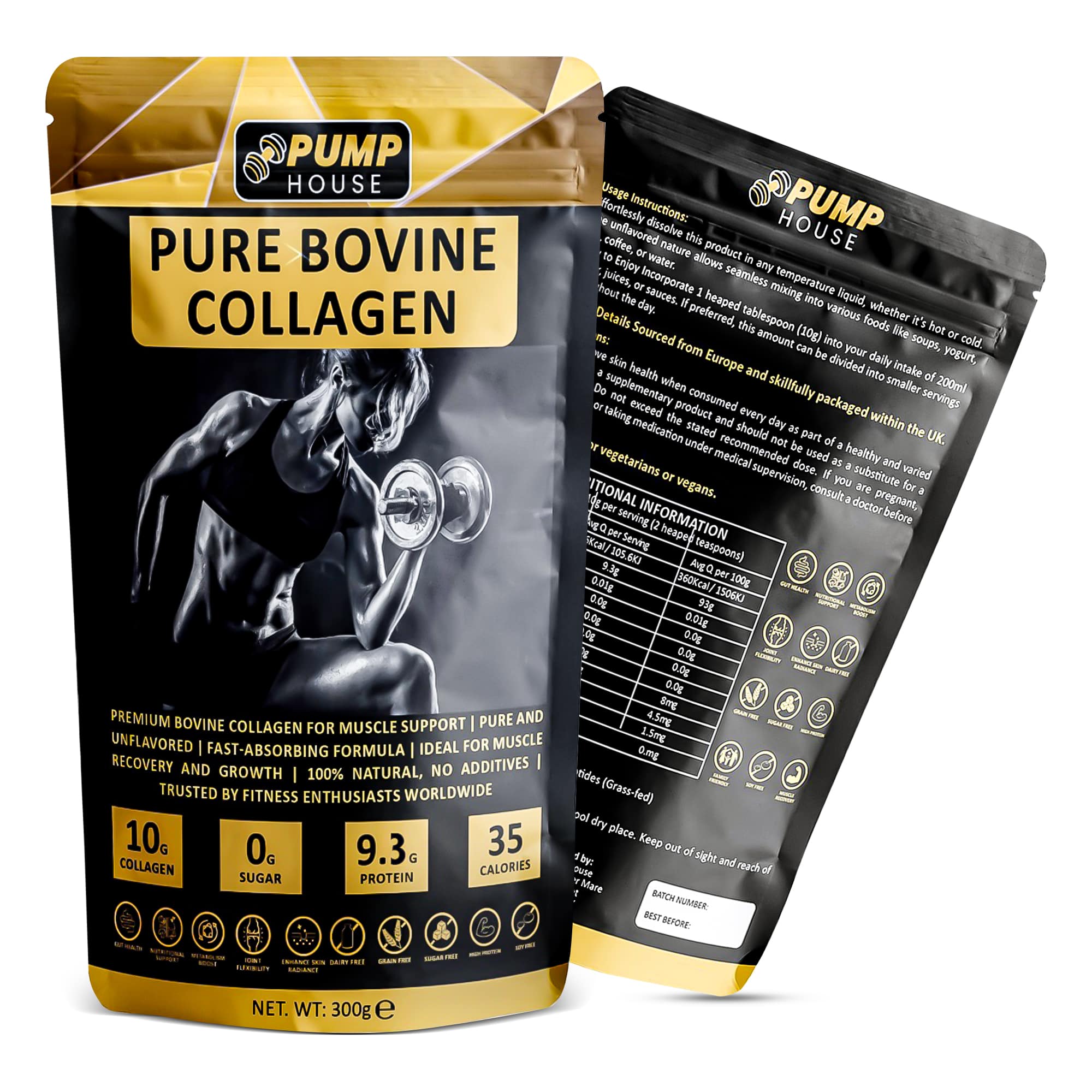


Whey Protein vs Collagen: Which Wins?
If you have ever stood in your kitchen holding a shaker in one hand and a collagen scoop in the other, you are not overthinking it - the whey protein vs collagen question is genuinely worth asking. They are both popular, both easy to add to your routine, and both tied to better results. But they do very different jobs.
One is built around muscle repair and protein intake. The other is more closely linked with connective tissue, skin support and structural health. So if your goal is better recovery, stronger training output, healthier joints, or support for hair and skin, choosing the right one matters.
Whey protein vs collagen: the core difference
Whey protein is a complete protein. That means it contains all nine essential amino acids your body cannot make on its own. It is especially rich in branched-chain amino acids, including leucine, which plays a central role in muscle protein synthesis. In plain English, whey is one of the most effective and convenient options for supporting muscle growth and post-workout recovery.
Collagen is different. It is not usually treated as a complete protein because it is low in some essential amino acids, particularly tryptophan. Its amino acid profile is rich in glycine, proline and hydroxyproline, which are the building blocks associated with connective tissues such as tendons, ligaments, cartilage and skin.
That is why whey tends to sit in the performance nutrition space, while collagen crosses into both fitness and broader wellness. If your focus is training adaptation and hitting your daily protein target, whey usually has the stronger case. If your focus is joint support, skin appearance or adding a functional supplement to your morning coffee, collagen may be the better fit.
What whey protein is best for
Whey earns its reputation for a reason. It is fast-digesting, practical, and highly effective when you want to support muscle repair after training. For gym-goers, runners, and anyone trying to maintain lean mass during a calorie deficit, it is often the first supplement that makes a real difference.
It can also help with satiety. A high-protein routine tends to make it easier to stay fuller for longer, which is useful if weight management is part of the plan. That does not make whey a fat-loss supplement by itself, but it can make a calorie-controlled approach easier to stick to.
Another point in whey’s favour is convenience. If you struggle to get enough protein from food alone, a shake is one of the quickest ways to stay on track. That matters when life is busy and the ideal meal is not always realistic.
What collagen is best for
Collagen has become popular well beyond the gym, and not by accident. It fits neatly into everyday wellness routines because it is easy to use and tied to benefits people actually care about - from joint comfort to skin support.
As we age, natural collagen production declines. Training load, lifestyle stress and general wear and tear can also increase the interest in supporting connective tissues. That is where collagen supplementation gets attention. It is commonly used by active adults who want support around joints and tendons, and by wellness-focused consumers interested in skin, hair and nail health.
It is worth being realistic here. Collagen is not a direct substitute for a high-quality complete protein when muscle-building is the goal. But that does not mean it is less valuable. It simply means its strengths sit elsewhere. For many people, collagen works best as part of a wider routine rather than as their main protein source.
Which is better for muscle growth?
If the question is purely about building or maintaining muscle, whey is the stronger option. Its complete amino acid profile and high leucine content make it far more effective for stimulating muscle protein synthesis than collagen.
That matters after resistance training, but it also matters during periods of dieting, busy work schedules or inconsistent eating. If you are trying to preserve lean mass while losing body fat, whey gives you more of what your muscles need.
Collagen does contain protein, but not the kind your body uses as efficiently for muscle-building. So if your target is performance, strength progression or better recovery between sessions, whey should take priority.
Which is better for joints, skin and connective tissue?
This is where collagen starts to pull ahead. Its amino acid profile is more aligned with the tissues that give structure and support to the body. That is why people often turn to it for joint support, tendon health and skin-focused benefits.
If you lift regularly, run often, or simply want to take better care of your body as part of a long-term health plan, collagen can be a smart addition. It is especially appealing if your routine is not only about aesthetics or strength, but also about staying active, feeling resilient and recovering well over time.
Whey still brings value through overall protein intake, which is important for general recovery. But for collagen-specific structures in the body, collagen makes more sense.
Whey protein vs collagen for weight management
When weight management is the main goal, whey often has the edge. It is more filling, more useful for preserving lean tissue, and better suited to supporting a high-protein diet. That combination can help you stay consistent without feeling like you are constantly fighting hunger.
Collagen can still play a role, especially if you enjoy adding it to drinks or want a lower-profile way to boost your intake. But it is usually not the first choice if appetite control and muscle retention are top priorities.
The bigger picture matters more than the label on the tub. Your total diet, training routine and consistency will always matter more than one supplement. The right product simply makes the plan easier to follow.
Can you take whey and collagen together?
Yes, and for plenty of people that is the best answer.
This is not always an either-or decision. Whey and collagen can complement each other because they cover different bases. Whey can handle the heavy lifting around muscle recovery and protein intake. Collagen can support the wider picture - joints, connective tissue and skin.
For example, you might use whey after training and collagen in your coffee, smoothie or breakfast later in the day. Or you may prioritise whey during a muscle-building phase and keep collagen in your routine for joint and skin support year-round.
That kind of layered approach suits real life. Goals are rarely one-dimensional, and the strongest routines tend to support both performance and everyday wellbeing.
How to choose the right one for your goal
If your main focus is building muscle, recovering after workouts or increasing daily protein intake, start with whey. It is the more effective tool for those outcomes and usually gives faster, more noticeable support in training-focused routines.
If your focus is skin health, joint support or connective tissue care, collagen is likely the better fit. It also tends to appeal to people who want a simple wellness habit that blends easily into daily life.
If you want both performance and broader lifestyle support, using both can make complete sense. That is often the sweet spot for active adults who care about how they perform, how they recover and how they feel long term.
One more thing worth thinking about is tolerance and preference. Some people digest one product better than another, prefer the texture of collagen in hot drinks, or like whey as a more substantial shake. The best supplement is not just the one that looks strongest on paper. It is the one you will actually use consistently.
The smart takeaway on whey protein vs collagen
Whey is not better than collagen in every situation, and collagen is not a replacement for whey when muscle is the priority. They serve different purposes, and that is exactly why the comparison matters.
Choose whey if you want a complete protein that supports muscle repair, recovery and lean mass. Choose collagen if your priority is connective tissue, joint support or skin-focused wellness. Choose both if your routine is about feeling strong, looking after your body and building habits that last.
The best results usually come from matching your supplement to your real goal, not the loudest trend. Start there, stay consistent, and let your routine work harder for you.