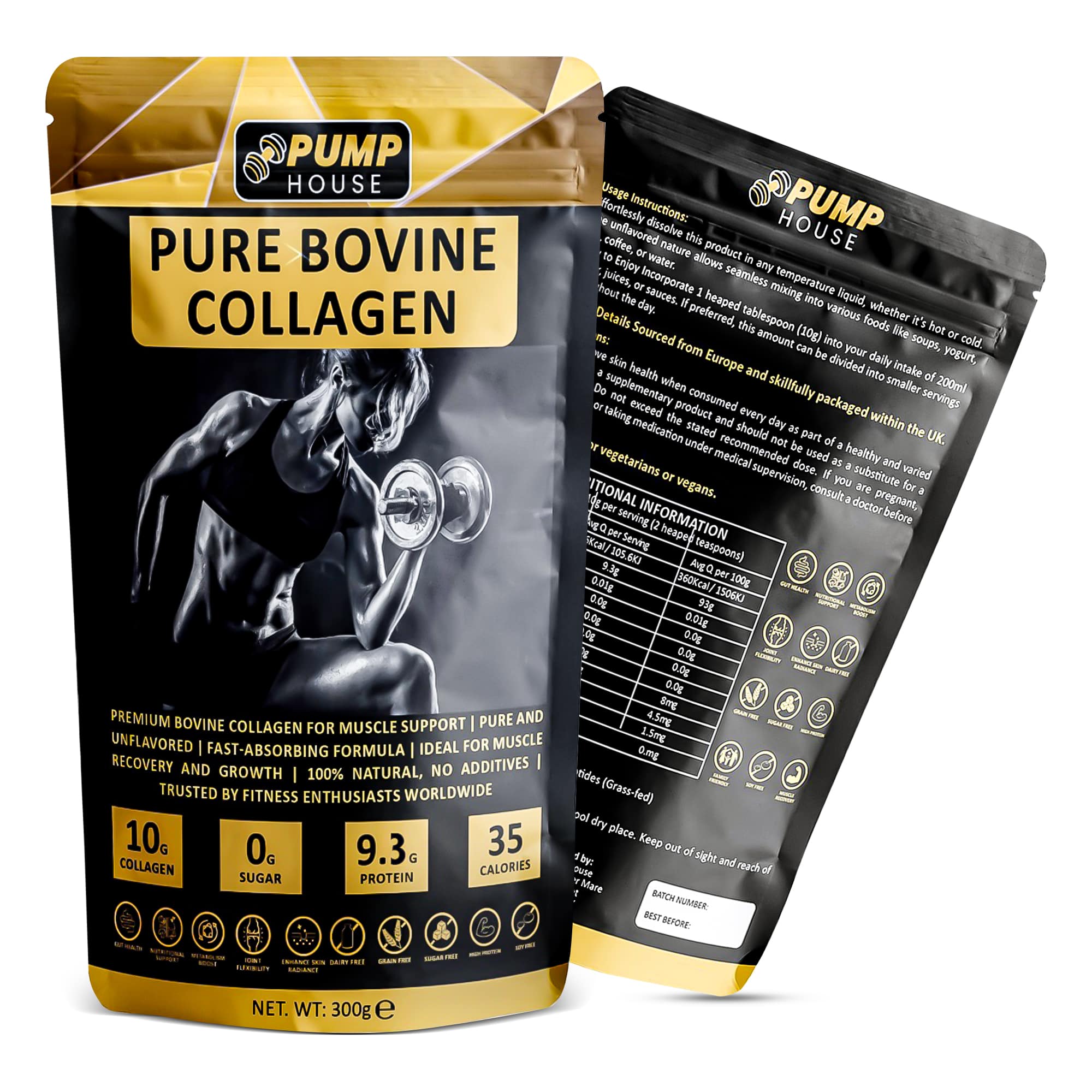


Protein for Muscle Recovery: What Works?
You feel it most the day after a hard session - legs heavy on the stairs, shoulders tight, energy slightly off. That post-training soreness is normal, but it is also where smart nutrition earns its place. Protein for muscle recovery matters because training does not build muscle in the moment. Training creates the demand. Recovery is where the progress actually happens.
If you want to feel ready for your next run, lift with more consistency, or simply stop every session from wiping you out, protein is one of the most useful tools in your routine. Not because it is trendy, and not because every workout needs a shaker bottle, but because your muscles rely on amino acids to repair and adapt after stress.
Why protein for muscle recovery matters
When you train, especially with resistance work, sprints, circuits or long endurance sessions, you create tiny amounts of damage in muscle tissue. That sounds dramatic, but it is a normal part of the process. Your body responds by rebuilding those fibres stronger, more resilient and better prepared for the same challenge next time.
Protein supports this process by supplying amino acids, the building blocks your body uses to repair muscle proteins. Without enough protein across the day, recovery can feel slower, performance may plateau, and maintaining lean muscle becomes harder - particularly if you are training often or eating in a calorie deficit.
That does not mean protein works alone. Sleep, total calories, hydration, carbohydrate intake and training load all shape recovery too. But if you are getting those basics roughly right, protein is often the factor that helps everything click into place.
How much protein do you actually need?
This is where advice often gets messy. Some people act as if one post-gym shake solves everything. Others go so far in the other direction that they barely think about protein at all. The truth sits in the middle.
For most active adults, a daily intake of around 1.4 to 2.0 grams of protein per kilogram of body weight is a practical range for supporting muscle recovery and performance. If you train hard several times a week, are trying to build muscle, or want to hold onto lean mass while losing fat, aiming towards the higher end usually makes sense.
For example, someone weighing 70kg may do well on roughly 98 to 140 grams per day. You do not need to hit an exact number every day to make progress, but being consistently too low is where recovery tends to suffer.
The bigger win is not chasing a huge amount in one sitting. It is spreading protein across your day in a way that feels easy to repeat. A solid breakfast, a balanced lunch, a post-workout option and a protein-rich evening meal will usually outperform one giant hit late at night.
Is more always better?
Not really. Once your intake is high enough to support repair and adaptation, adding more does not automatically speed recovery. It may help with fullness or convenience, but it is not a shortcut to better results. Better consistency beats excess.
Best timing for protein after training
There is a lot of hype around the so-called anabolic window. In reality, the timing matters, but not in the all-or-nothing way it is often sold.
Getting protein within a couple of hours after training is a smart move, especially if you trained fasted, it has been a while since your last meal, or you have another session coming up soon. A serving of around 20 to 40 grams is a good target for most people, depending on body size and the rest of the day.
If you ate a protein-rich meal one to two hours before your workout, there is less pressure to have something immediately after. Your body is still working with those amino acids. So yes, post-workout protein is useful, but your total daily intake still matters more than a frantic rush to drink something in the changing room.
Morning, evening or post-workout?
The best time is the time you will actually stick to. For some people that is a protein breakfast to stop the day starting low. For others it is a shake after training because it is quick and practical. If your evenings are busy, planning your protein earlier may be the difference between recovering well and just hoping dinner covers it.
What type of protein is best?
The best protein for muscle recovery is the one that gives you enough high-quality amino acids, fits your digestion, and is easy to use consistently.
Whey protein is popular for a reason. It is rich in essential amino acids, naturally high in leucine, and absorbed quickly, which makes it a strong post-workout option. If you tolerate dairy well and want convenience, it is hard to beat.
Casein digests more slowly and can be useful when you want something more sustained, such as in the evening or between long gaps without food. It is not better or worse than whey in every situation. It just suits a different pace.
Plant-based blends can also work well, especially when they combine sources such as pea and rice to create a more complete amino acid profile. They may need a little more attention to total serving size, but they are a solid option for anyone avoiding dairy.
Whole foods still deserve plenty of credit too. Greek yoghurt, eggs, chicken, salmon, tofu, cottage cheese, lentils and lean beef can all support recovery. Supplements help most when they remove friction. They should make your routine easier, not more complicated.
Protein and carbohydrates: a better recovery pairing
If your training is intense or frequent, protein on its own is not always the full answer. Carbohydrates help replenish glycogen, the stored energy your muscles use during exercise. When glycogen is low, recovery can feel flatter and your next session may suffer.
That is why a balanced post-workout meal or shake often works better than protein alone. Think protein with oats, fruit, rice, potatoes or toast depending on the time of day and your goals. If you have just finished a long run, a tough leg session or high-volume circuit training, this combination makes even more sense.
For someone focused on general fitness, the balance does not need to be perfect. But if you are training for performance, adding carbs around your recovery nutrition is a simple upgrade.
Common mistakes that slow recovery
One of the most common mistakes is under-eating overall. You can have an excellent protein powder, but if your total intake is too low for your training demands, recovery still struggles.
Another issue is saving nearly all your protein for dinner. Muscles respond better when they get regular access to amino acids across the day. A breakfast with only coffee and a pastry, followed by a late high-protein meal, is rarely the strongest setup for steady progress.
Some people also expect protein to fix poor sleep, too much training volume, or back-to-back sessions with little rest. It helps, but it is not magic. If your body is under constant pressure, nutrition can only cover so much.
There is also the quality question. If a product leaves you bloated, tastes unpleasant, or sits unopened in the cupboard, it is not the right fit. Clean, convenient options that work with your lifestyle usually win in the long run.
How to make protein for muscle recovery part of real life
This is where good intentions often fall apart. The plan sounds great until work runs late, the gym session shifts, or you realise there is nothing high in protein in the fridge.
The easiest fix is to build recovery habits around your existing routine. Add protein to breakfast instead of trying to overhaul your entire diet. Keep a quick post-training option ready for busy days. Build lunch around a reliable protein source rather than hoping dinner will make up for everything.
For many people, convenience is what keeps consistency alive. A simple shake after training, protein stirred into a smoothie, or a high-protein snack in the afternoon can stop the drop-off that happens when life gets hectic. That is where a practical wellness brand like Pumphouse fits naturally - support that works with your day rather than demanding a perfect one.
Do you need protein on rest days?
Yes, because recovery does not stop when your workout ends. Rest days are often when repair and adaptation are still happening. If you only focus on protein on training days, you may be missing part of the bigger picture.
Keeping your intake steady across the week is usually more effective than swinging from very high on training days to very low on days off. Your muscles are responding to the overall pattern, not just one shake after one session.
When results feel slow
If you are taking protein and still feeling sore, tired or stuck, zoom out before assuming protein is not working. Look at sleep, stress, hydration, food quality, calorie intake and whether your training load matches your recovery capacity.
Sometimes the issue is not too little protein. It is too much intensity, not enough rest, or a routine that is harder than it looks on paper. Progress is built on pressure plus recovery, not pressure alone.
The goal is not to chase perfect recovery after every workout. It is to recover well enough, often enough, that you can train again with purpose. Keep your protein intake consistent, choose forms that suit your life, and let your routine do the heavy lifting over time. That is where stronger sessions, better energy and real momentum tend to show up.