

Amino Acids After Workout: Worth It?
You finish a hard session, your heart rate is still up, and the question lands almost immediately - should you be taking amino acids after workout training, or is that just another fitness extra you do not really need? The honest answer is less flashy than the marketing. Sometimes they make a real difference. Sometimes a solid meal does the job just as well.
That is exactly why this topic matters. Recovery is where progress starts to show up, whether your goal is stronger lifts, better runs, leaner body composition, or simply feeling ready to train again tomorrow. Amino acids can support that process, but the benefit depends on what your training looks like, how you already eat, and what kind of product you are using.
What amino acids actually do after exercise
Amino acids are the building blocks of protein. When you train, especially with resistance work or long endurance sessions, your muscles go through stress and small amounts of breakdown. Recovery is the period where your body repairs that tissue and adapts.
This is where amino acids come in. Essential amino acids, and especially branched-chain amino acids like leucine, isoleucine, and valine, are involved in stimulating muscle protein synthesis. In simpler terms, they help switch on the repair and rebuilding process after training.
But there is a key detail that often gets missed. Amino acids are not magic on their own. They are one piece of the bigger recovery picture, alongside total daily protein, sleep, hydration, carbohydrate intake, and training quality. If those basics are off, no supplement is going to carry the whole load.
Amino acids after workout sessions - when they help most
If you train fasted, early in the morning, or go long periods between meals, amino acids after workout sessions can be particularly useful. They offer a quick, convenient option when your body needs support and a full meal is not immediately practical.
They can also help if your appetite drops after training. Plenty of people finish a tough gym session or run and do not want to eat straight away. A drink is often easier than a plate of food, especially when life moves fast and your next meeting, school run, or commute is already waiting.
For people trying to build or maintain muscle while managing calories, amino acid supplements may also earn their place. When you are eating in a calorie deficit, recovery can feel a bit more fragile. Preserving lean mass becomes more important, and targeted post-workout nutrition can help support that goal.
That said, if you have already had a protein-rich meal close to your session and you are eating enough quality protein across the day, the extra impact may be smaller. Useful does not always mean essential.
BCAAs vs EAAs vs protein shakes
This is where things can get confusing quickly.
BCAAs contain three essential amino acids - leucine, isoleucine, and valine. Leucine gets most of the attention because it plays a major role in triggering muscle protein synthesis. BCAAs can be helpful around training, but they do not provide all the essential amino acids your body needs for complete muscle repair.
EAAs, or essential amino acids, contain all nine essential amino acids. That makes them a more complete option if you are specifically looking for amino support after training.
Then there is protein powder, which often gives you a full amino acid profile as well as a larger overall protein hit. For many people, a good protein shake after training is the most effective and practical route because it covers more bases at once.
So what is the better choice? It depends on what you need.
If you want a low-calorie training companion and already hit your protein target, BCAAs may fit. If you want broader recovery support in supplement form, EAAs usually make more sense. If your post-workout nutrition is patchy and you need something more substantial, a protein shake is often the stronger all-round option.
Timing matters, but not as much as people think
The idea that you must take amino acids within a tiny post-workout window is overstated. Your recovery does not slam shut 20 minutes after your final set.
Yes, having protein or amino acids after workout training can be helpful, especially if you have not eaten for several hours. But what matters more is your total intake across the day. Think of post-workout nutrition as a smart opportunity, not a panic moment.
A practical target is to get some form of protein or amino support within a couple of hours after training. If that comes from a shake, an amino drink, Greek yoghurt, eggs on toast, or a proper meal, that is absolutely fine. Consistency beats perfection here.
Who benefits most from amino acids after workout routines?
The people most likely to notice a benefit are those who train regularly and need recovery to keep pace with their lifestyle. That includes lifters trying to increase strength, runners stacking up weekly mileage, and busy professionals squeezing sessions into packed days.
Beginners can also benefit, but often in a simpler way than they expect. If taking amino acids helps them recover better, feel more prepared, and stick to a routine, that matters. The best supplement is often the one that supports consistency rather than chasing extremes.
Older adults may also find value in prioritising protein quality and amino intake, as muscle maintenance becomes more important with age. And for anyone eating less protein than ideal, amino support may help bridge the gap while they improve their overall nutrition.
When amino acids may not be necessary
If you are already eating enough high-quality protein across the day, having regular meals, and recovering well, amino acids may be more of a convenience than a game changer.
That is not a bad thing. Convenience has value. Clean, easy supplementation can make healthy habits feel more realistic, especially when your routine is busy. But it is worth being honest about what a product is doing for you.
Amino acids are not a replacement for poor diet, poor sleep, or under-fuelling. They are there to support the work you are already doing, not fix the basics you have skipped.
How to make amino acids after workout support actually work
The smartest approach is to match the product to the moment.
If you train fasted, sip amino acids before or after your session and follow with a balanced meal when you can. If you train in the afternoon and have not eaten since lunch, a post-workout amino or protein drink can be a practical bridge until dinner. If you are dieting and want something light after the gym, amino acids can support recovery without adding much to your calorie intake.
It also helps to think beyond just muscle. Recovery includes hydration, energy replenishment, and getting yourself back to feeling switched on rather than wiped out. If your session was intense or sweaty, pairing amino support with fluids and electrolytes may make more sense than focusing on one product alone.
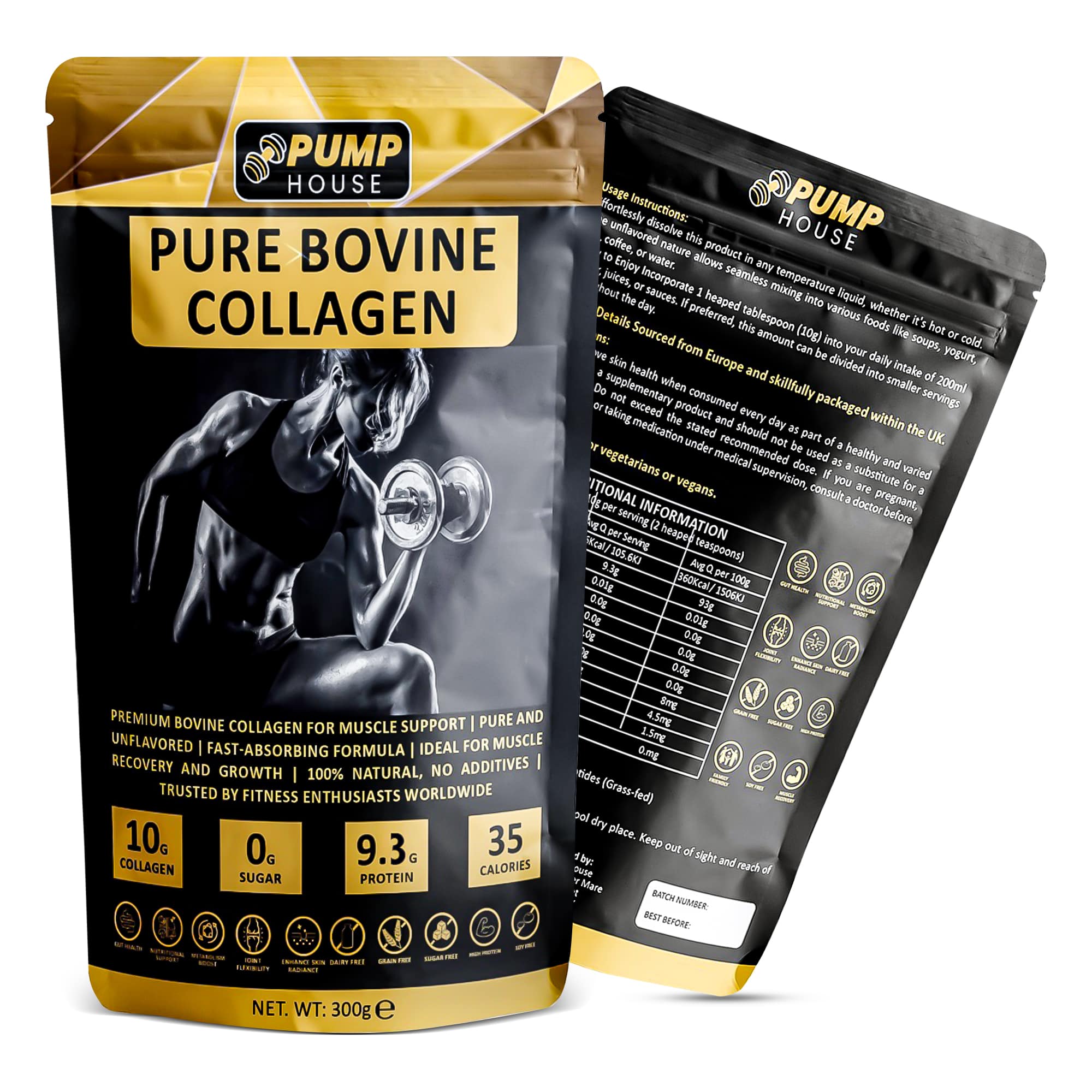
Quality matters too. Look for formulas that fit easily into your routine and do not feel like hard work to use. The best recovery habits are the ones you can repeat after every session, not just when motivation is high. That is where brands like Pumphouse tend to resonate - practical support, clean ingredients, and options that slot into real life rather than asking you to build your day around supplements.
The bigger picture: recovery should feel sustainable
There is a tendency in fitness to overcomplicate the hour after training. You do not need a laboratory setup in your gym bag. You need a recovery plan that fits your goals and your actual schedule.
For some people, amino acids after workout sessions are a useful tool that helps them recover, stay consistent, and train with better momentum. For others, the same benefit comes from a protein shake or a decent meal. Both approaches can work.
What matters most is that your post-workout routine supports the next session, not just the current one. If amino acids help you feel ready to go again, recover with less friction, and keep moving with purpose, they have done exactly what they should.