

How to Choose a Post Workout Smoothie Powder
You finish a session feeling strong, then stand in the kitchen wondering what actually helps recovery and what is just clever packaging. That is where the right post workout smoothie powder earns its place. A good one should make recovery feel easier, not more complicated - supporting muscle repair, helping you hit your protein target, and fitting neatly into real life.
For some people, that means rebuilding after heavy lifting. For others, it is getting something quick and useful in after a run before the school run, commute, or next meeting starts. The best choice depends on your training, your goals, and what your body responds to well. There is no single formula that suits everyone, but there are clear signs of what to look for.
What a post workout smoothie powder should actually do
Post-workout nutrition is often talked about like a tiny window that slams shut if you do not drink your shake within minutes. Real life is less dramatic. What matters most is giving your body the building blocks it needs after training, especially if your session was intense or you are training regularly through the week.
A post workout smoothie powder should first help with recovery. In practical terms, that usually means supplying protein to support muscle repair and growth. If you have trained hard, especially with resistance work, your muscles are looking for amino acids to begin that rebuilding process.
It can also help with convenience, and that matters more than people admit. If your recovery plan is too awkward, you will not stick to it. A powder that blends easily into a smoothie with milk, oats, fruit or yoghurt can turn good intentions into something you actually do after every session.
There is also the wider picture. Depending on the blend, your powder may support hydration, energy replenishment, digestion, or even broader wellness goals such as weight management or collagen support. That does not mean one product needs to do everything. It means your choice should match the role you need it to play.
The main ingredients to look for in a post workout smoothie powder
Protein is usually the starting point. If your goal is muscle recovery, maintenance, or growth, this is the ingredient that carries the most weight. Whey protein is popular because it is rich in essential amino acids and digests quickly, which suits a post-training smoothie. If you prefer a dairy-free route, plant protein blends can work well too, especially those combining sources like pea and rice for a fuller amino acid profile.
The amount matters as much as the source. Many people do well with around 20 to 30 grams of protein after a session, but it depends on body size, training load, and what else you are eating that day. If your smoothie powder provides only a small amount, it may still be useful, but it will not function as a serious recovery option on its own.
Carbohydrates are worth considering too, particularly if you train hard, do longer sessions, or exercise more than once a day. Protein helps repair, while carbohydrates help replenish glycogen - the stored energy your muscles use during training. If your powder is low in carbs, that is not a problem if you are adding a banana, oats or berries to your smoothie. If you are trying to keep things leaner for weight management, a lower-carb option may suit you better.
Then there are the supporting ingredients. Some powders include amino acids, collagen, fibre, greens, or adaptogens. These can add value, but only if they serve your goal. A collagen blend may be useful if you are also thinking about joints, skin, hair and nails. Added fibre may help with fullness and digestive balance, but too much straight after training can feel heavy for some people. This is where personal tolerance matters.
Not every recovery goal needs the same powder
If your priority is building muscle, choose a powder with a solid protein dose and a clear ingredient list. You want something that helps you recover consistently enough to train well again, not just something that sounds impressive on the label.
If your focus is staying lean while recovering properly, you may want a cleaner blend with high protein, moderate calories and limited sugar. That can help you support muscle maintenance without turning every smoothie into a dessert.
If you do endurance training, your needs may shift slightly. Recovery still needs protein, but carbohydrate support becomes more relevant, especially after longer runs, rides or high-volume sessions. In that case, your smoothie itself might do some of the work, with the powder forming the protein base and the rest coming from fruit, oats or nut butter.
And if you are simply trying to feel better after training and stay consistent, simplicity wins. A powder you enjoy, digest well and remember to use will beat a more technical formula that sits untouched in the cupboard.
How to spot a quality post workout smoothie powder
Start with the label. A quality powder should be easy to understand. You should know where the protein is coming from, how much you are getting per serving, and what else has been added. Long ingredient lists are not always bad, but they should feel purposeful rather than padded.
Watch out for blends that major on flavour but underdeliver on function. If the serving gives you very little protein and a lot of fillers, it may be better suited as a snack than a recovery product. Recovery support should be measurable, not vague.
Taste and texture matter as well. This is not a minor detail. If your powder is chalky, overly sweet, or hard to mix, it becomes another healthy habit that never sticks. The best post-workout products feel easy to use - quick shake, smooth blend, done.
Sweeteners are another personal choice. Some people are happy with flavoured powders, while others prefer more neutral options they can build into their own smoothie recipes. Neither is automatically better. It depends on whether you want convenience or flexibility.
When to take it and how to make it work harder
You do not need to panic about timing, but having your smoothie within a reasonable window after training is sensible, especially if your last meal was hours ago. Think of it less as chasing a perfect 30-minute rule and more as making sure your recovery is not left until late evening by accident.
Your powder will work best as part of a complete smoothie rather than as a magic ingredient. Blend it with milk or a milk alternative for extra protein and creaminess. Add fruit if you want carbohydrate support and a fresher taste. Oats can make it more filling, while yoghurt can increase protein further.
That said, more is not always better. Throwing six supplements into one blender does not guarantee better results. If your stomach feels off after training, simplify. A good recovery smoothie should leave you feeling refuelled, not weighed down.
Common mistakes people make
One mistake is buying for hype instead of need. If your powder sounds advanced but does not fit your training style, it is the wrong tool. Another is expecting the powder alone to make up for poor overall nutrition. Supplements support your routine - they do not replace it.
People also overlook consistency. Recovery is not built on one perfect shake after one perfect session. It comes from repeating solid habits over time. That is why practical products usually outperform flashy ones.
There is also the issue of tolerance. A powder can look ideal on paper but still not suit you if it causes bloating or feels too heavy. Trial and adjustment are part of the process. Clean, straightforward formulations often make that easier.
Choosing the right fit for your routine
The smartest way to choose a post workout smoothie powder is to be honest about your life, not just your fitness goals. Are you blending a full smoothie after every gym session, or do you need something quick between work and family plans? Are you chasing strength, better recovery, lean muscle, or a more balanced wellness routine?
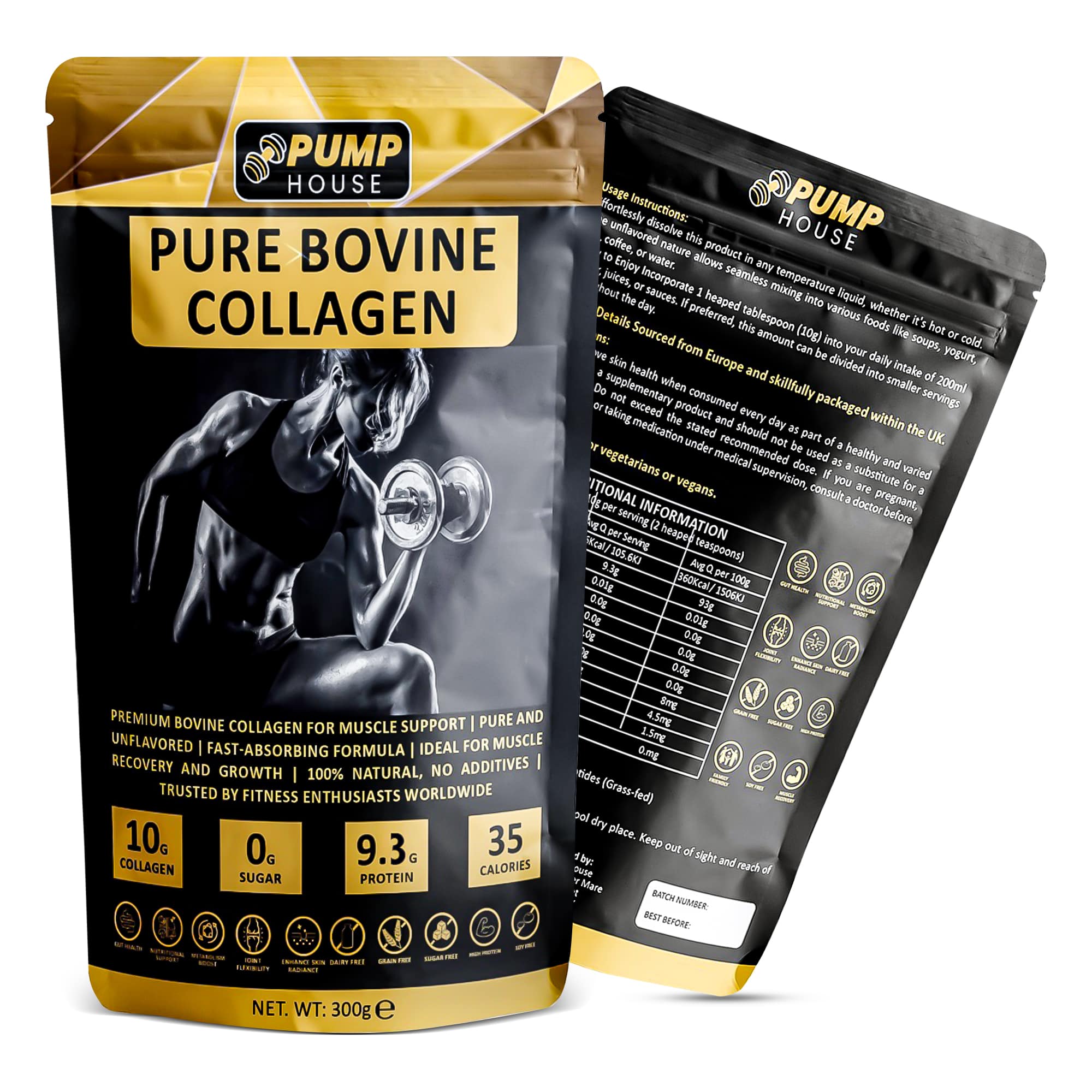
That is where a modern brand approach really helps. Products that are designed to support performance and everyday wellbeing at the same time tend to fit real routines better. Pumphouse, for example, sits in that sweet spot between fitness nutrition and practical wellness, which is exactly where many people want their supplements to live.
The best powder for you is the one that supports your training, fits your taste, and makes recovery feel like part of your momentum rather than another task to tick off. If it helps you show up stronger tomorrow, it is doing its job.