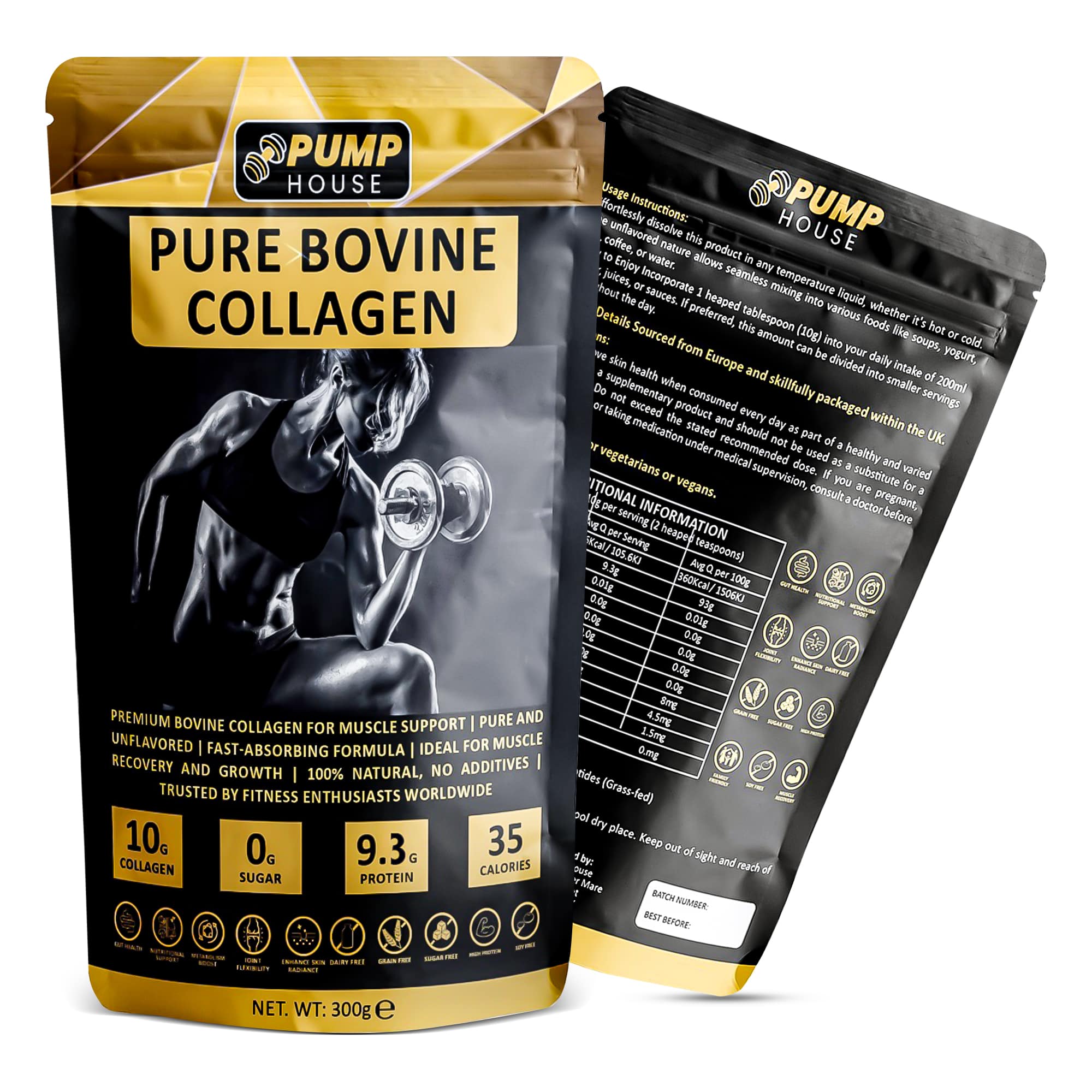


Collagen for Joint Support: Does It Work?
Your knees notice the difference long before your mindset does. One week you are flying through training, long walks and busy days. The next, your joints feel a bit less forgiving on stair climbs, squats or that first run after a break. That is usually when interest in collagen for joint support starts to make sense - not as a magic fix, but as a practical way to support movement, recovery and consistency.
For a lot of active adults, joint health is less about one dramatic injury and more about staying comfortable enough to keep showing up. Whether you lift, run, train classes, work on your feet or simply want to move well for longer, your joints take daily wear seriously. Supporting them early is often smarter than waiting until stiffness starts steering your routine.
What collagen for joint support actually means
Collagen is the most abundant protein in the body. It helps form the structure of connective tissues, including cartilage, tendons, ligaments, bones and skin. When people talk about taking collagen for joints, they usually mean collagen peptides or hydrolysed collagen taken as a supplement.
Cartilage is the tissue that cushions the ends of your bones inside a joint. It helps movement feel smooth rather than grinding or restricted. Collagen is a key part of that structure, which is why it gets so much attention in conversations around joint comfort and mobility.
The catch is that collagen levels and collagen quality change with age. Training load, repetitive impact, poor recovery and general lifestyle stress can add to that picture. That does not mean your joints are destined to fall apart. It does mean your body may benefit from nutritional support that helps you stay ahead of the strain.
How collagen may support joints
Collagen supplements are not the same as injecting collagen straight into a knee or rebuilding cartilage overnight. Once you consume collagen, it is broken down into amino acids and small peptides. Those compounds may help stimulate the body’s own collagen production and support connective tissues over time.
This is why collagen tends to work best when people think in months, not days. The benefit is usually about gradual support rather than instant relief. If your goal is to move more comfortably, recover better from training and keep your routine sustainable, that slower build can still be worthwhile.
Some research suggests collagen supplementation may help with joint discomfort in active people and may support cartilage health. Results vary, and that matters. Someone with mild stiffness from training volume may notice more than someone expecting a supplement to solve a more serious joint issue. Supplements can support a strong routine, but they do not replace proper diagnosis, rehab, strength work or recovery.
Why consistency matters more than hype
The biggest mistake with collagen is treating it like a quick fix. If you use it for a week and expect your joints to feel brand new, you will probably be disappointed. The better approach is simple and steady - use it daily, pair it with a solid diet, and give it enough time to do its job.
That fits real life better anyway. Joint support is rarely built on one heroic decision. It comes from the everyday basics done well: enough protein, smart training, mobility, sleep, recovery and ingredients that support the bigger picture.
Who might benefit from collagen for joint support
If you train regularly, collagen may be worth considering. Runners, lifters, Hyrox fans, team sport players and anyone doing high-volume sessions often put repeated stress through their joints and connective tissues. Even if you feel fine now, support can be part of staying that way.
It can also appeal to people whose activity is less structured but still demanding. Think long days on your feet, physically active jobs, weekend hiking, or simply the wear that comes with getting older while trying to stay active. Joint support is not just for athletes. It is for anyone who wants to keep moving with confidence.
Age is another factor. Natural collagen production declines over time, so people in their thirties, forties and beyond may start noticing more stiffness, slower recovery or less bounce in their joints. That does not mean collagen is only for older adults, but it often becomes more relevant as the body needs more support to keep pace with your goals.
What to look for in a collagen supplement
Not all collagen products feel equal in daily use. The form matters, the routine matters, and so does whether you will actually take it consistently.
Hydrolysed collagen peptides are popular because they mix easily and are simple to add into drinks or smoothies. That convenience counts. If a supplement fits naturally into your morning coffee, post-workout shake or breakfast, you are far more likely to stick with it.
You may also see different collagen types mentioned. Type I is often associated with skin, bone and tendons, while Type II is more closely linked with cartilage. In practical terms, many people choose a collagen peptide product because it is versatile and easy to use daily. The best option often depends on your overall goals, not just your joints.
Clean ingredients matter too. If you are already making an effort with training and nutrition, you want a supplement that supports that standard rather than complicates it. Straightforward formulas and easy mixing make a bigger difference than flashy claims.
How to use collagen in a daily routine
The best supplement is the one you remember to take. Collagen works well because it can slot into habits you already have. Stir it into coffee, add it to a smoothie, mix it into porridge, or blend it into a post-workout shake. No drama, no overthinking.
Timing is not usually the deciding factor. Consistency is. Some people prefer it in the morning because it anchors the habit early. Others take it around training as part of a broader recovery routine. Either approach can work if you keep it regular.
Pairing collagen with vitamin C may also be helpful, as vitamin C plays a role in normal collagen formation. That does not need to become complicated. It can be as simple as making sure your diet includes fruit and veg or using a routine that is already built around balanced nutrition.
What results should you expect?
Think support, not miracles. You may notice that your joints feel less creaky during training, that warm-ups feel easier, or that recovery between sessions is a little smoother. For some people, the difference is subtle but valuable. Being able to stay consistent with movement matters more than chasing a dramatic before-and-after moment.
It is also fair to say collagen is not for everyone. If your joint pain is persistent, sharp, worsening or linked to swelling or instability, a supplement should not be your first and only move. That is the point where proper medical advice matters.
Collagen works best as part of the bigger picture
Joint support is not built on collagen alone. Strong muscles help support joints. Good technique reduces unnecessary strain. Recovery days matter. Sleep matters. So does maintaining a healthy body weight if your joints are regularly under load.
That is where collagen fits well into a performance-focused lifestyle. It is not trying to do everything. It is there to support the connective tissue side of the equation while the rest of your routine handles strength, movement quality and recovery.
For many people, that is exactly why it is useful. It is easy to underestimate connective tissues because they are not as visible as muscle gains or body composition changes. But if your joints are not coping well, your progress usually slows down everywhere else too.
Is collagen for joint support worth it?
If your goal is to stay active, train consistently and support your body for the long run, collagen can be a smart addition. It is especially appealing if you want something simple, low-fuss and easy to build into your day. The key is having realistic expectations and giving it time.
Will it transform every ache overnight? No. Can it support joint comfort and connective tissue health as part of a wider routine? For many people, yes. That balance is worth understanding because it keeps your expectations grounded and your approach effective.
At Pumphouse, that is the sweet spot - practical supplementation that supports real routines, not fantasy ones. If you want to move well, recover better and keep momentum on your side, collagen can be one of those small daily choices that helps you stay in the game.
The real win is not chasing perfect joints. It is building a routine that helps you keep doing the things that make you feel strong, capable and fully switched on.