

Does Collagen for Skin Elasticity Work?
Skin usually tells the truth before anything else does. If your complexion is starting to look a little less bouncy, a bit thinner, or slower to spring back, it makes sense to ask whether collagen for skin elasticity is worth adding to your routine - or whether it is just another wellness buzzword with a nice label.
The honest answer is better than the hype and less dramatic than the sales pitch. Collagen can play a useful role in supporting firmer, healthier-looking skin, but it is not a shortcut. It works best when you understand what skin elasticity actually is, what affects it, and why consistency matters more than quick fixes.
What skin elasticity really means
Skin elasticity is your skin’s ability to stretch and return to its original shape. When elasticity is strong, skin tends to look firmer, smoother and more resilient. When it starts to decline, you may notice fine lines becoming more obvious, a looser feel around the cheeks or jawline, or skin that simply does not look as fresh as it once did.
Collagen is a big part of that picture. It is one of the main structural proteins in the body and helps give skin its strength and support. Elastin matters too, as the name suggests, and so does hydration. Healthy-looking skin is not built on one ingredient alone. It is the result of structure, moisture, recovery and protection all working together.
That is why conversations about collagen for skin elasticity are useful, but only when they are realistic. Collagen supports the framework. It does not replace sleep, hydration, daily nutrition or sun protection.
Why skin loses elasticity over time
There is no single reason skin changes. Age is part of it, but lifestyle often speeds the process up.
From our mid-twenties onwards, natural collagen production begins to decline. That does not mean your skin suddenly changes overnight, but the gradual drop can show up over time. Sun exposure is one of the biggest accelerators, especially if SPF is inconsistent. Smoking, chronic stress, poor sleep and a diet low in protein or micronutrients can all make matters worse.
Training hard can also raise the question for active people. Exercise is brilliant for circulation, recovery and overall wellbeing, but high-output lifestyles need proper nutritional support. If you are pushing in the gym, balancing work, and trying to look after your skin at the same time, it helps to think about beauty and performance as part of the same routine rather than two separate goals.
How collagen supplements may help
When people talk about taking collagen, they usually mean hydrolysed collagen peptides. These are collagen proteins broken down into smaller pieces, making them easier to mix into drinks and easier for the body to digest.
Once consumed, those peptides are absorbed and used as amino acid building blocks. Your body does not simply send them straight to the face, which is where some of the confusion starts. Instead, it uses those building blocks where they are needed. That sounds less glamorous, but it does not make supplementation pointless.
Some research suggests that regular collagen supplementation may support skin hydration, smoothness and elasticity over time. The key phrase there is over time. This is not a same-week transformation. It is more like training results - small, steady inputs that start to show when you stay consistent.
For people who want practical support rather than miracle claims, that is actually good news. It means collagen can fit into a bigger routine built around daily habits that already support how you look and feel.
Collagen for skin elasticity: what affects your results
Not everyone gets the same outcome from collagen supplements, and that is where a lot of disappointment comes from. The product matters, but so does the person taking it.
Your age, diet, protein intake, sleep, hydration and sun exposure all influence the result. Someone eating very little protein, sleeping badly and skipping SPF cannot expect collagen powder alone to do the heavy lifting. On the other hand, if your routine is already solid, collagen may be a smart addition that helps support what you are building.
There is also the question of patience. Most people who report benefits do not notice them after a few days. Think in terms of weeks and months, not hours and headlines.
What to look for in a collagen supplement
A good collagen supplement should feel easy to use, not like another chore you forget after three days. That matters more than people think because consistency is where the payoff lives.
Hydrolysed collagen peptides are generally the go-to format because they dissolve well and fit easily into coffee, smoothies or shakes. A clean ingredient profile is also worth looking for. If you are using a supplement daily, you want something that feels aligned with the rest of your routine rather than packed with unnecessary extras.
It can also help to pair collagen with a balanced diet that includes enough vitamin C, since vitamin C plays a role in normal collagen formation. That does not mean your supplement has to become a chemistry lesson. It just means your wider nutrition still counts.
For many people, the best collagen product is simply the one they will actually take every day. If it mixes easily, tastes good, and fits your morning or post-workout routine, you are much more likely to stay on track.
The habits that make collagen work harder
If your goal is firmer-looking, more resilient skin, supplementation works best when it is part of a bigger system.
Hydration is an obvious one, but still underrated. Skin that lacks water often looks less plump and more tired, regardless of what supplements you are taking. Protein intake matters too, especially for active adults who are already focused on recovery and body composition. Skin is part of your body’s overall rebuild-and-repair process, not a side project.
Then there is sleep. It is not the most exciting tip, but skin recovery is closely tied to how well you rest. High stress can also show up in your face faster than you might like. If your energy is stretched thin, your skin often reflects it.
And yes, SPF matters. A lot. You can spend money on premium skincare and supplementation, but if UV exposure is breaking down collagen faster than you can support it, progress will feel limited.
Is collagen worth it if you already use skincare?
Usually, yes - because topical skincare and oral supplementation do different jobs.
Skincare works from the outside in. It can help with hydration, texture and barrier support. Collagen supplements work from the inside out by contributing nutritional building blocks that support your body more broadly. One is not automatically better than the other. In many cases, they work well together.
That said, there is no need to overcomplicate things. If your shelf is already full and your routine feels like admin, adding one simple daily collagen habit may be more effective than chasing five new skincare steps you will never maintain.
When collagen may be less helpful
Collagen is not pointless, but it is not magic either. If your expectations are very high, or you are hoping it will reverse years of skin damage on its own, you will probably be underwhelmed.
It may also feel less impactful if the rest of your routine is working against you. Low calorie dieting for long periods, poor sleep, dehydration and heavy sun exposure can all make skin appear more stressed. In that situation, collagen is not the wrong move - it is just not the only move.
There is also the simple reality that results can be subtle. For some people, the change is not a dramatic before-and-after. It is that their skin looks a bit fresher, a bit smoother, and holds up better over time. That is still valuable, especially if your approach to wellbeing is built around sustainable gains rather than extremes.
Building a routine that supports skin and performance
The most effective wellness habits are usually the ones that pull double duty. A collagen powder that drops into your morning coffee or post-gym shake is easier to stick with than something that feels separate from real life.
That is where functional supplementation earns its place. If you are already committed to training, eating better and showing up for your goals, adding support for skin health does not have to feel indulgent or off-track. It can be part of the same mindset - looking after recovery, resilience and how you feel in your own skin.
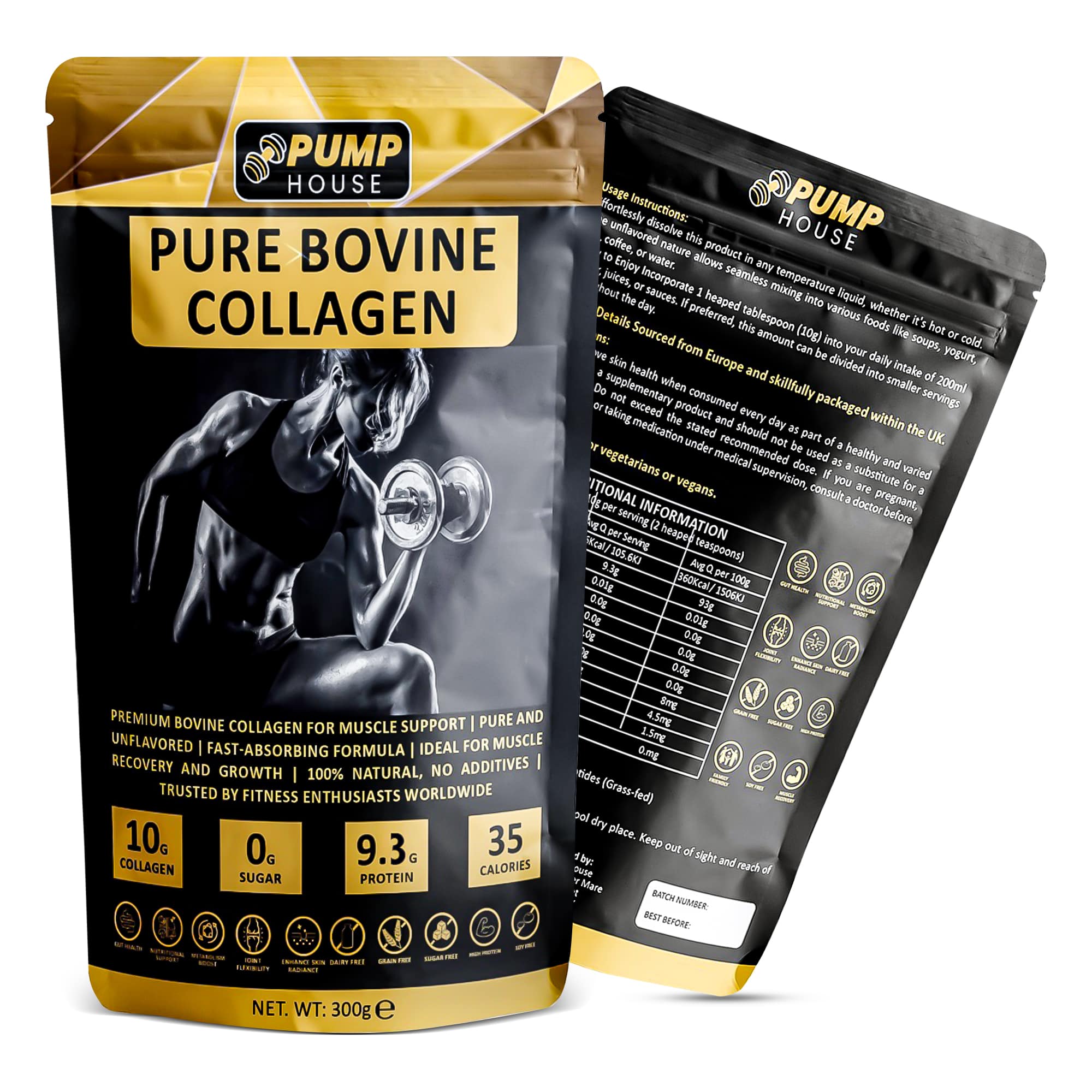
At Pumphouse, that practical approach matters. Wellness works best when it fits into everyday momentum, not when it demands perfection.
Collagen for skin elasticity is worth considering if you want smart, steady support rather than big promises. Give it time, pair it with solid habits, and let your routine do what quick fixes never can - build results you can actually keep.