

Can You Put Collagen in Hot Drinks Every Day?
Your morning coffee can do more than get you moving. For plenty of people, it is the one non-negotiable part of a busy routine - which makes collagen in hot drinks a practical way to keep a wellness habit consistent, rather than leaving a tub of powder forgotten in the cupboard.
The short answer is yes: hydrolysed collagen powder can usually be stirred into hot coffee, tea, hot chocolate or porridge. The key is choosing a powder designed to dissolve well and mixing it properly. A few simple habits can make the difference between a smooth daily ritual and a lumpy, disappointing mug.
Can you put collagen in hot drinks?
In most cases, absolutely. Collagen supplements are typically hydrolysed, meaning the collagen protein has been broken down into smaller peptides. These peptides are designed to be easy to mix into liquids and easy for the body to digest.
Heat can change the structure of proteins, but that does not automatically mean it makes collagen peptides useless. Think about milk in coffee or protein in cooked food: heating changes how a protein behaves, yet it remains a source of amino acids. With a quality hydrolysed collagen powder, adding a serving to a freshly made hot drink is generally a straightforward option.
There is a sensible middle ground, though. Avoid repeatedly boiling your collagen or leaving it simmering in a saucepan for long periods. Your coffee, tea or morning oats are a much more realistic use case, and the one that makes it easiest to stick with a regular routine.
Why hot drinks make collagen easier to take
Consistency carries more weight than chasing a perfect supplement schedule. If a collagen shake sounds great in theory but never fits your day, it is unlikely to become a lasting habit. Adding collagen to a drink you already make puts your routine on autopilot.
For early trainers, that may be a coffee before a gym session. For commuters, it could be tea at your desk. If you prefer a slower start, a warming vanilla-style collagen hot chocolate can feel like a small act of self-care that still supports your wider nutrition goals.
Collagen is not a replacement for a balanced diet, sufficient protein or proper recovery. It is simply a convenient way to add collagen peptides to the day. Used alongside regular training, nourishing meals, sleep and hydration, it can earn its place in a purposeful wellness routine.
Coffee is the obvious favourite
Coffee and unflavoured collagen are an easy pairing, particularly if you want to keep the flavour of your usual brew. Collagen peptides tend to have a light taste, while the coffee provides enough depth to make them virtually unnoticeable.
Make the coffee as normal, then add your collagen and stir well. A handheld milk frother is especially useful if you want a café-style finish. If you add milk, oat drink or a protein-friendly creamer, blend the collagen into the hot coffee before or after adding it - whichever suits your usual method.
Tea, hot chocolate and chai work too
Tea can be a good choice, although delicate green or herbal teas may reveal the taste of certain powders more than a strong coffee would. A flavoured collagen can work particularly well in chai, rooibos or a warming hot chocolate.
The same applies to porridge and overnight oats that are gently warmed. Start with a little liquid to make a smooth paste, then stir it through the rest. This small step helps prevent clumps, especially with thicker foods.
Does heat damage collagen?
This question often causes unnecessary confusion. Native collagen is a larger, structured protein, while most collagen powders sold for daily use contain hydrolysed collagen peptides. They have already been processed into smaller pieces before they reach your kitchen.
Very high temperatures and prolonged heating can affect proteins. But putting a scoop into a hot drink that you will sip over the next ten minutes is not the same as aggressively cooking it for an extended time. For normal coffee, tea and porridge routines, heat should not be a reason to avoid collagen.
What matters more is following the serving guidance on your chosen product and storing it correctly. Keep the tub sealed, dry and away from excess heat or moisture. If the powder has a noticeably odd smell, taste or texture, do not try to rescue it with a stronger coffee.
How to mix collagen without clumps
The easiest method depends on your drink and your preferred texture. For a standard mug, add the powder gradually while stirring briskly. Do not dump a full scoop onto the surface and hope for the best - that is how powder tends to gather in stubborn little clusters.
For a smoother result, use a milk frother or shaker-style whisk. A blender can work beautifully for a larger coffee, hot chocolate or protein oat bowl, but do take care with hot liquids. Never seal very hot liquid in a tightly closed blender, as steam can build pressure.
If your collagen is flavoured, consider the drink before you mix. Chocolate, caramel or vanilla profiles often suit coffee and oats. A clean unflavoured option gives you more flexibility, especially if you switch between tea, smoothies and savoury breakfasts through the week.
When should you take collagen?
There is no single magic time to take collagen. Your body does not award extra points because you had it at precisely 7:03am. The best time is the time you will repeat often enough for it to become part of your routine.
Morning works well because it is predictable. You can attach collagen to your first coffee, breakfast or post-training porridge. Evening can be equally useful if a caffeine-free hot chocolate or herbal tea is your wind-down ritual.
If you exercise regularly, remember that collagen is not a complete protein source in the same way as whey, dairy, eggs, fish or many high-quality plant protein combinations. It should not be your only post-workout protein. Build meals and recovery snacks around total protein intake, then use collagen as an additional tool that supports your wider goals.
Pair it with a balanced routine
Collagen provides amino acids, including glycine and proline, which are naturally associated with collagen-rich tissues in the body. Your body also needs a range of nutrients to make and maintain its own collagen, including vitamin C. That does not mean every cup needs a vitamin C supplement stirred into it.
Instead, think bigger: berries with breakfast, kiwi in a smoothie, peppers at lunch, citrus fruit as a snack and plenty of varied whole foods. This is the kind of daily foundation that supports energy, training and skin health far better than relying on one powder alone.
Choosing a collagen for hot drinks
Look for hydrolysed collagen peptides and clear serving information. If you are using it in coffee every day, mixability and taste are not minor details - they determine whether you actually enjoy taking it. An unflavoured powder is often the most versatile choice, while a flavoured option can make a sweet, comforting drink feel more intentional.
Also check the source of the collagen, particularly if you have dietary preferences, allergies or a specific lifestyle requirement. Collagen is commonly bovine or marine, and it is not suitable for vegan diets. Anyone who is pregnant, breastfeeding, managing a medical condition or taking prescribed medication should speak with a qualified healthcare professional before adding a new supplement.
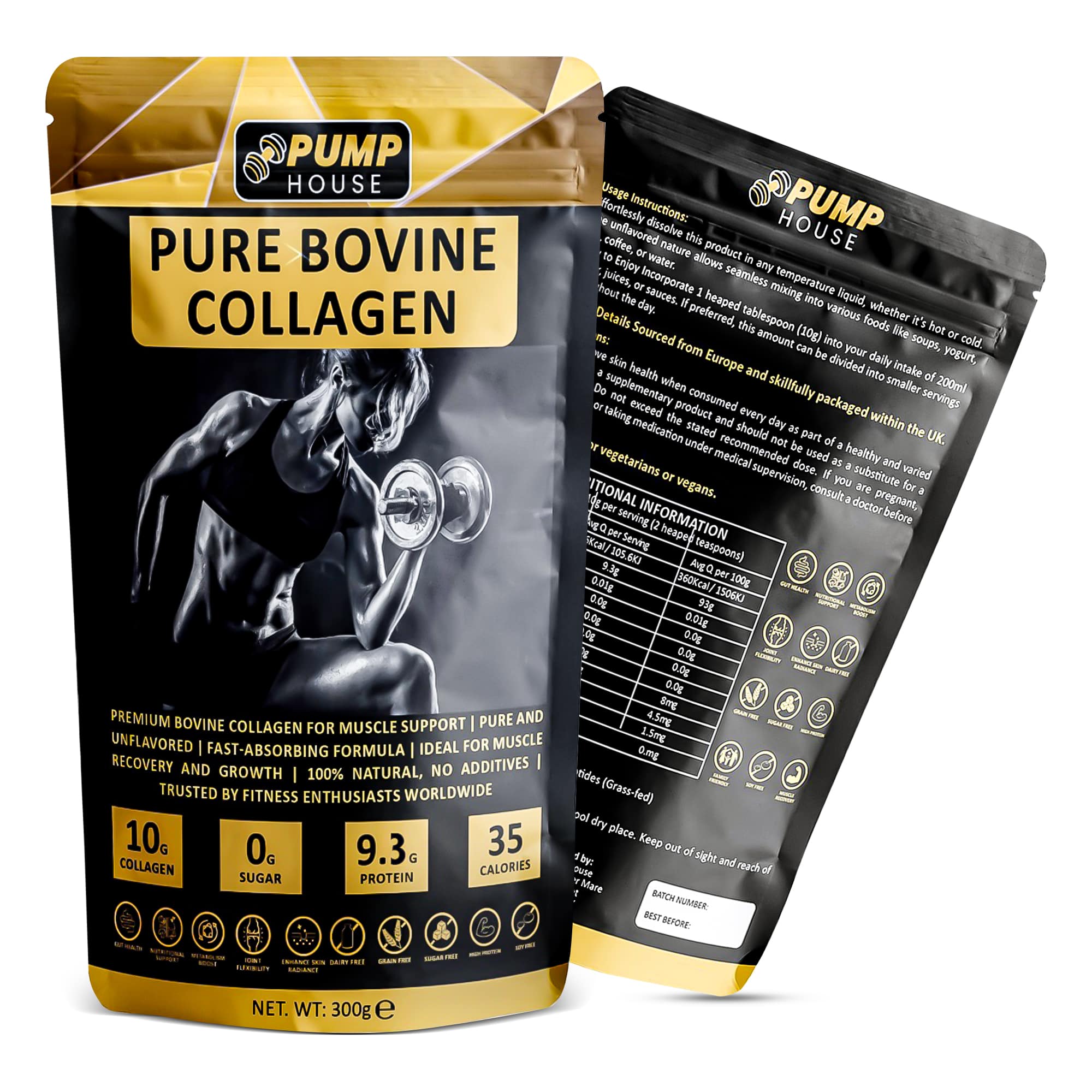
At Pumphouse, the aim is simple: clean, practical support that earns a place in real life. That might mean collagen beside your kettle, ready for the coffee you already look forward to, rather than another complicated rule to follow.
Your strongest routine is rarely the most elaborate one. Make your hot drink, add the scoop, give it a proper stir and get on with building the kind of day that moves you closer to your goals.