

Recovery Supplements for Runners That Work
That heavy-legged feeling on the stairs after a tempo session is not a sign that you need a cupboard full of powders. It is a sign that recovery deserves the same attention as your training plan. The right recovery supplements for runners can help close nutritional gaps, support muscle repair and make consistent training feel more manageable - but only when the basics are already in place.
For runners, recovery is not about finding a magic fix after one hard 10K. It is about giving your body enough energy, protein, fluids and rest to come back ready for the next run. Supplements should make that routine easier, not replace real food or recovery days.
Start with the recovery foundations
Before choosing a supplement, look at what happens in the hour after you finish running. A long run, hill session or race effort uses carbohydrate stores, challenges muscle tissue and can leave you short on fluid and sodium. If you then rush into a busy day without eating or drinking properly, no capsule will fully make up the difference.
Aim to eat a meal or snack containing carbohydrate and protein within a few hours of a demanding session. The exact timing matters most when you train again later that day or early the next morning. A smoothie with fruit and protein, porridge with yoghurt, or a proper meal with rice, potatoes or pasta and a protein source all count.
Sleep is the other non-negotiable. Hard training plus poor sleep is a fast route to flat sessions, nagging aches and a mood that does not match your goals. Think of supplements as useful support around these foundations, not the foundation itself.
The best recovery supplements for runners
Your ideal stack depends on your mileage, diet, training goals and how often you run. A marathoner training six days a week has different needs from someone building towards their first 5K. Still, a few options consistently earn their place in a runner's routine.
Protein powder for convenient muscle support
Protein helps maintain and repair muscle after training. Running is not just an endurance sport: speedwork, hills and long descents all create muscular stress. If your meals already provide enough protein, a shake is optional. If breakfast is rushed or you struggle to eat after a hard run, it can be a practical way to get a quality protein source without overthinking it.
A useful target for many active people is around 20-40g of protein after a demanding session, depending on body size and what else you are eating that day. Whey protein is convenient and naturally rich in leucine, an amino acid involved in muscle protein synthesis. Plant protein can work well too, especially when it contains a varied amino acid profile or you use a slightly larger serving.
Protein is not only for the gym floor. Add it to a post-run smoothie, mix it into overnight oats or use it when work makes a sit-down meal difficult. Consistency across the day matters more than chasing a precise ten-minute recovery window.
Electrolytes for long, hot or sweaty runs
Electrolytes are minerals that help regulate fluid balance and normal muscle function. Sodium is the one most runners need to consider, especially during long runs, races, warm weather sessions or any training where your kit is drenched afterwards.
For a short, easy run in typical British weather, water and normal meals are usually enough. For sessions lasting beyond roughly an hour, or for runners who lose a lot of salt in sweat, an electrolyte drink can make rehydration easier and more effective than plain water alone. It may also be useful after a hot race when replacing fluid feels like a full-time job.
Do not confuse electrolytes with a recovery cure. They will not repair muscles or compensate for under-fuelling, and more is not automatically better. Start with the instructions on the product, then adjust around your sweat rate, conditions and total training time.
Collagen for runners focused on connective tissue
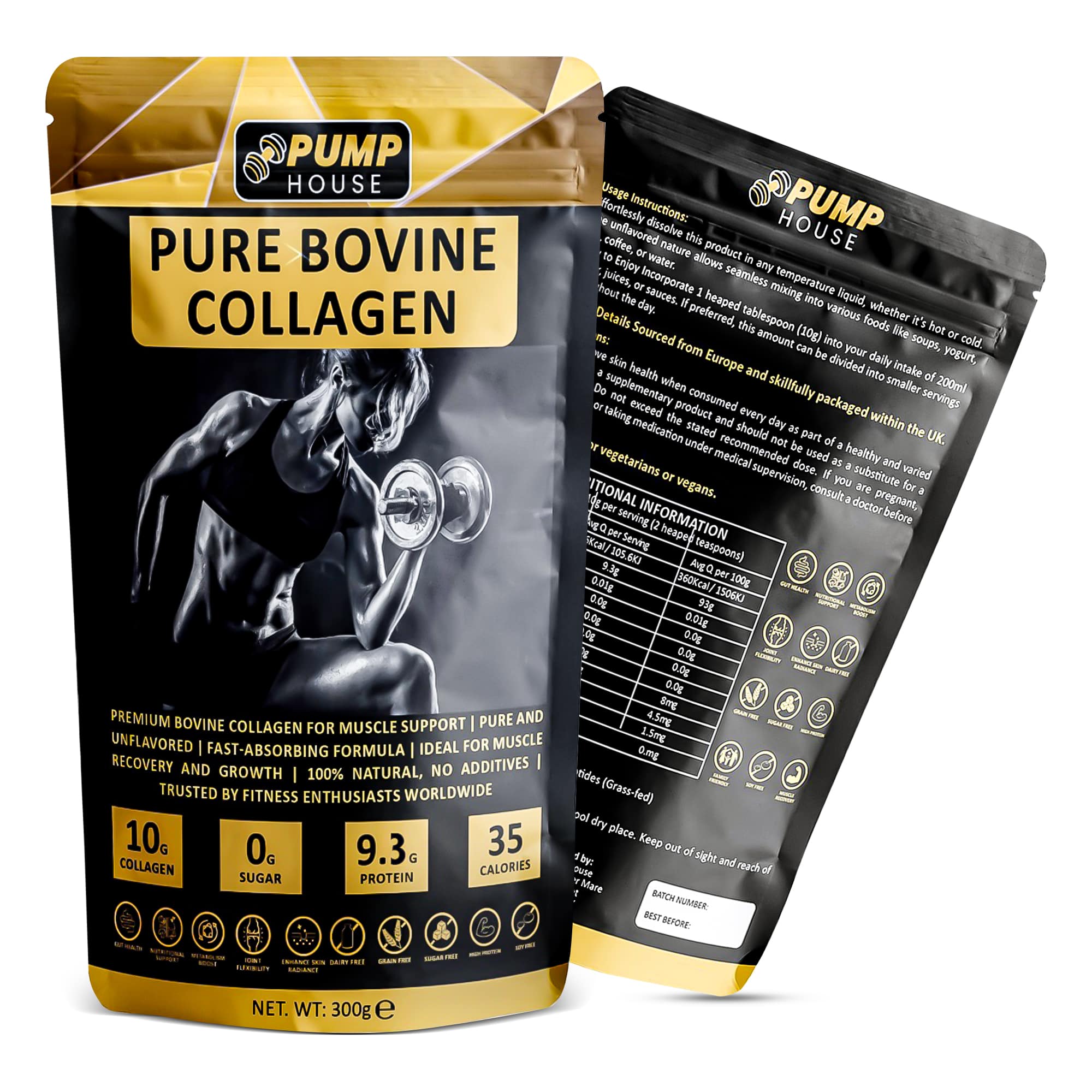
Muscles get most of the recovery spotlight, but runners also ask plenty of tendons, ligaments and joints. Collagen provides amino acids that are found in connective tissues, making it a popular option for people managing high mileage or returning to structured training.
The evidence is still developing, so it is sensible to keep expectations grounded. Collagen is not a treatment for an injury, and persistent tendon or joint pain needs assessment from an appropriate health professional. However, taking collagen regularly, alongside a balanced diet and well-planned strength work, can be a purposeful addition for runners who want to support their wider training routine.
Some runners take collagen with a source of vitamin C around an hour before strength training or rehab exercises. The bigger win remains progressive loading: tendons respond to sensible, consistent strength work, not shortcuts.
Creatine for strength, speed and repeat efforts
Creatine is often seen as a lifting supplement, yet it can suit runners too. It supports short, repeated high-intensity efforts, which may be relevant for sprinters, track athletes, hill runners and anyone combining running with strength training.
It is less likely to transform an easy-paced marathon build on its own. Creatine can also increase water stored in muscle, which may mean a small increase on the scales. That is not fat gain, but runners who are highly weight-conscious or preparing for a specific event may prefer to trial it well before race day. Daily consistency matters more than taking it immediately after a run.
Carbohydrate recovery drinks when food is not realistic
After a long run, appetite can be unpredictable. A carbohydrate drink, or a shake that combines carbohydrate and protein, can be useful when you need to refuel but cannot face a large meal straight away. This becomes more valuable when you have another session within 24 hours.
For most recreational runners, food is often the more satisfying and cost-effective choice. But convenience has value. The best plan is the one you can follow after a wet Sunday long run, on a train home from an event or between meetings.
What about magnesium, BCAAs and amino acids?
Magnesium is frequently marketed for recovery, sleep and muscle cramps. It plays several important roles in the body, but it is not a guaranteed answer to post-run cramps. Cramping is complex and can involve pacing, fatigue, hydration and training load. If your diet is low in magnesium-rich foods such as nuts, seeds, beans and leafy greens, a supplement may be worth discussing with a pharmacist or health professional.
BCAAs and essential amino acid products can be convenient, particularly when training fasted or when a full protein shake is not appealing. But if you already eat enough high-quality protein, their added benefit is likely to be limited. Whole protein generally offers a more complete amino acid profile and better value for most runners.
Be cautious with anything promising instant pain relief, rapid muscle repair or fatigue-free running. Delayed onset muscle soreness is normal after new or hard training. Sharp pain, swelling, altered gait or pain that worsens during a run is different - stop and get proper advice.
Build a recovery routine you can repeat
The most effective recovery plan is boring in the best way: it is repeatable. Keep a protein option at home or in your work bag, take fluids seriously after longer sessions and have an easy post-run meal you genuinely enjoy. Pumphouse products can fit neatly into that rhythm when convenience helps you stay on track, whether that means adding protein to a smoothie or collagen to a daily routine.
Avoid introducing several supplements at once. Trial one change for a few weeks, ideally during normal training rather than race week, and pay attention to digestion, energy, sleep and how well you are hitting your next key session. A product that upsets your stomach is not a performance product for you, however good the label looks.
If you are pregnant, breastfeeding, taking medication, have a medical condition or have a history of disordered eating, get personalised guidance before adding supplements. Competitive athletes should also choose products carefully and check their sport's anti-doping requirements.
Your next breakthrough may not come from a tougher session. It may come from treating recovery as part of the session itself: refuel with purpose, sleep properly and choose only the support that helps you show up ready to run again.