

A Practical Guide to Post Gym Nutrition
You finish a hard session, feel virtuous for about five minutes, then the real question lands - what now? A solid guide to post-gym nutrition is not about chasing perfection or forcing down a bland shake in the changing room. It is about giving your body what it needs to recover well, protect progress and help you show up strong again tomorrow.
Post-workout nutrition gets overcomplicated fast. One person swears by the 30-minute window, another says fasted training changes everything, and someone else is blending enough powders to fill a kitchen cupboard. The truth is simpler. After training, your body is primed for recovery, and the right mix of protein, carbohydrates and fluids can make a noticeable difference to how you feel, perform and recover.
Why post-gym nutrition matters
Training creates demand. Whether you are lifting for muscle, running for fitness or squeezing in a lunchtime class between meetings, exercise places stress on muscle tissue, uses up stored energy and increases fluid loss. Recovery is where the work starts to pay off.
Good post-gym nutrition helps repair muscle protein, replenish glycogen stores and support your next session. It can also help manage appetite later in the day. That matters if your goal is muscle gain, body recomposition or simply staying consistent without ending up ravenous at 9pm.
There is a balance to strike, though. Not every session needs the same response. A gentle 30-minute walk does not need the same recovery meal as a heavy leg day or a long run. Matching your nutrition to the effort is what keeps your routine practical and sustainable.
Your guide to post-gym nutrition basics
If you strip it back, most people need three things after exercise: protein, carbohydrate and hydration. The exact amount depends on your body size, training style and overall daily intake, but the framework stays steady.
Protein first
Protein is the main player in muscle repair and recovery. After training, aim for a serving that gives you a meaningful amount rather than just a token bite. For many people, around 20 to 40 grams of protein is a useful target, with larger or more active individuals tending towards the higher end.
That could come from a chicken wrap, Greek yoghurt with fruit, eggs on toast, a protein smoothie or a high-protein shake when convenience matters most. The best option is the one you will actually have consistently. If your workout ends at 7am and you are heading straight to work, a quick shake may be more realistic than cooking a full breakfast.
Carbohydrates are not the enemy
Carbs often get unfairly pushed aside, especially by people trying to lean out. But after training, carbohydrate can be genuinely useful. It helps restore glycogen, which is the stored form of carbohydrate your body uses for exercise, especially in higher-intensity sessions.
You probably need more carbs after weight training, circuits, sport or endurance work than after a light mobility session. Good options include oats, rice, potatoes, fruit, bagels, wraps or cereal. If your next workout is within 24 hours, paying attention to carbohydrate intake becomes even more important.
Hydration counts more than people think
Even mild dehydration can make recovery feel harder. If your session was sweaty, long or done in warm conditions, replacing fluids should be part of your plan, not an afterthought.
Water is enough for many gym sessions, especially if you are also eating a meal afterwards. If you have lost a lot of sweat, adding electrolytes may help you rehydrate more effectively. A simple check is your thirst, energy and urine colour over the next few hours. Pale straw is usually a better sign than deep yellow.
Do you need to eat straight away?
This is where nuance matters. The old idea that you must eat within minutes or lose all your gains is overblown. For most people, the total quality of your day matters more than a perfect 20-minute window.
That said, timing still has a place. If you trained fasted, had not eaten for several hours before your session or plan to train again later that day, eating soon after exercise makes sense. In those cases, an earlier recovery meal or shake is likely to feel and work better than waiting too long.
If you ate a balanced meal one to two hours before training and you are not exercising again that day, you have more flexibility. Getting a proper meal in within a couple of hours is usually enough.
What to eat after different types of workouts
Not all training creates the same demand, so your post-workout approach should reflect that.
After strength training
A meal or snack with quality protein and some carbohydrate is usually the sweet spot. Think scrambled eggs on sourdough, chicken and rice, a protein yoghurt with oats, or a shake blended with banana. If muscle gain is the goal, being consistently well-fed across the day matters just as much as what you have after the gym.
After cardio or endurance work
Longer runs, cycling sessions or high-volume classes tend to drain glycogen more heavily, so carbs deserve more attention here. Protein still matters, but this is not the time to fear a bigger portion of rice, potatoes or fruit. It is often the difference between bouncing back well and feeling flattened for the rest of the day.
After a quick session
If you did a shorter, moderate workout and your next meal is not far away, there is no need to over-engineer it. A normal balanced meal may be all you need. Recovery nutrition should support your routine, not turn every gym visit into a full production.
Whole foods or supplements?
Whole foods do a brilliant job. They offer protein, carbohydrates, fats, fibre and micronutrients in one go, and they are often more satisfying. But real life is not always neatly timed.
Supplements can be useful when convenience is the main barrier. A protein shake is practical when you are commuting, working late or training between errands. Amino or protein-based products may also help people who struggle to hit protein targets through food alone. If you like building simple habits, adding a recovery-focused supplement to a smoothie can make consistency much easier.
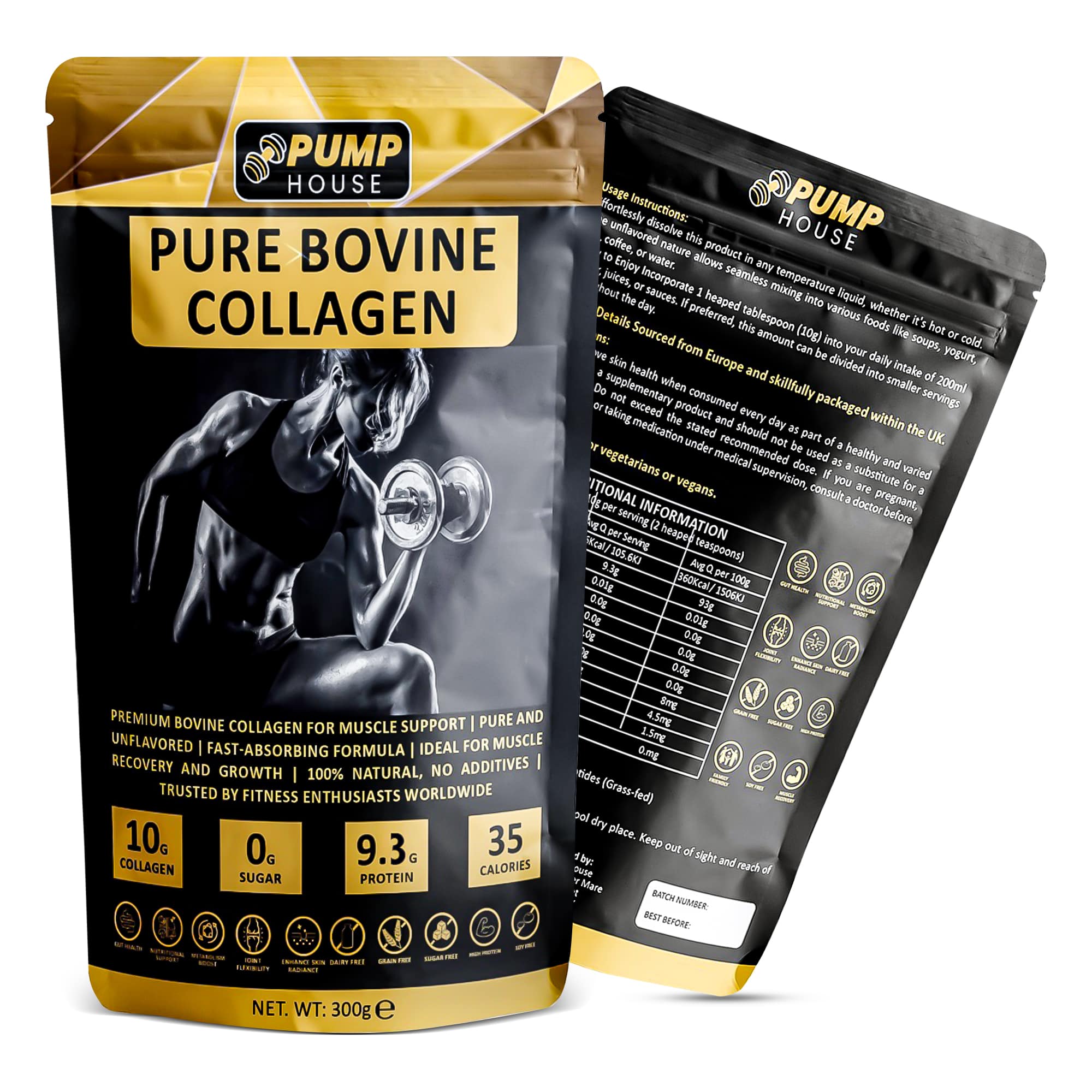
This is where brands like Pumphouse fit naturally into a busy routine - not as a replacement for a solid diet, but as a cleaner, easier way to support it when life gets full.
The trade-off is that supplements should solve a problem, not create one. If your post-gym shake leaves you hungry an hour later, a fuller meal may serve you better. If your gut feels unsettled after training, a lighter liquid option may be the smarter move.
Common mistakes that slow recovery
One of the biggest mistakes is under-eating after exercise, especially when fat loss is the goal. Training hard and then trying to power through on a coffee and good intentions can backfire. You may recover poorly, crave more later and struggle to maintain performance across the week.
Another common issue is focusing only on protein and forgetting carbs and fluids. Protein matters, but recovery is broader than muscle repair alone. If you are constantly tired, flat or sore, your body may be asking for more fuel overall, not just another scoop of powder.
There is also the habit of saving all food for the evening after an early session. For some people this works, but for many it leads to a long recovery gap and energy dips through the day. A smaller snack after training followed by a proper meal later can often feel much better.
Simple post-gym meal ideas
You do not need chef-level prep to get this right. Easy combinations usually win. Greek yoghurt with berries and granola works well after a morning workout. A protein smoothie with milk, banana and oats is ideal when appetite is low. Chicken, rice and roasted veg is a reliable classic for later sessions. Beans on toast with eggs, cottage cheese with fruit, or a tuna jacket potato also tick the right boxes.
What matters most is that the meal is realistic for your day. If your plan is too complicated, you will skip it when life gets busy.
Build a routine you can repeat
The best guide to post-gym nutrition is the one you can stick to on ordinary days, not just your most motivated ones. Keep protein easy to reach for, have simple carbs in the house and stop treating recovery like an afterthought.
You do not need to earn your food after training. You need to use it well. When your post-workout nutrition matches your goals and your lifestyle, recovery becomes less of a guessing game and more of a quiet advantage. Start there, keep it simple, and let your routine do the heavy lifting.